
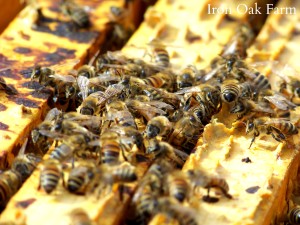
 There are many reasons to begin beekeeping. You might find it educational, as bees are fascinating creatures. You might be interested in becoming more self sufficient, (honey makes a great farm raised sweetener!) Maybe you’re interested in wax and honey production as a cottage industry. Or maybe you want to do your part in helping the environment and supporting the honey bee’s role in our ecosystem and food supply. Whatever the reason, raising bees can be a fun and rewarding adventure. We at Keeping Backyard Bees encourage anyone who’s interested in raising bees and becoming a new beekeeper, or a “new-beek”, to learn all they can and if possible and give beekeeping a try!
The following is a beginners guide to all things beekeeping. It’s a collection of articles that can help you understand the world of bees and help you decide if beekeeping is right for you. Should you choose to join the world wide community of beekeepers, there are articles that tell you what equipment you will need to get started, aids to help you build your first hive, information on how to acquire your first bees, step-by-steps on caring for bees and trouble shooting problems and even how to begin marketing your bee products.
This one stop beekeeping guide is a great place to begin researching your future hive. Be sure to stop back often as new information is always being added!
Table of Contents
Getting Started
Bee Facts
Species
Buying and Moving Bees
Swarming
Hives
Feeding Bees
Gardening With Bees
Hive Inspection
Bee-havior
Seasonal Beekeeping
Equipment and Honey Extraction
Honey
Wax
Safety
Queens
Diseases, Parasites, and Predators
Climate
Marketing
Getting Started
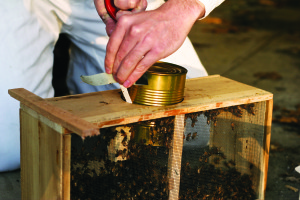 In these articles, you will find a wealth of knowledge to get the beginner beekeeper started. It is a a wonderful place to start your research before you even think about getting bees. Find out if beekeeping is right for you, how to acquire bees, and some reasons why beekeeping is a wonderful hobby to begin.
10 Quick Tips for New Beekeepers
Why New Beekeepers Should Start with Two Hives
Why Does Personal Beekeeping Need a Scientific Approach?
Getting Your Community Interested in Beekeeping
The Backyard Beekeeper: A Book Review for Beekeepers
A Beekeeper’s Book Review of More Than Honey: The Survival of Bees and the Future of Our World
5 Things New Beekeepers Should Not Worry About
How to “Read” a Frame from Your Hive
Addressing the Sustainability of Beekeeping in the 21st Century (Video)
Frugal Beekeeping- How to Cut Costs
Want to Keep Bees? Follow These 7 Basic Steps to Get Started
Bees- First Beekeeping: Part 1 Mites, Wax and Sex
What Do Bees Like? Bees- First Beekeeping Part 2
Bee-Centered Beekeeping: Part 3
11 Considerations Before Becoming a Beekeeper
Package or Nucs- Which is a Better Start?
How to Install a Package of Bees
10 Easy Steps to Becoming an Urban Beekeeper
Should We Even Call It “Beekeeping”
At the Hive Entrance: Look, Listen Learn
5 Things to Know Before Getting Bees
Bee Facts
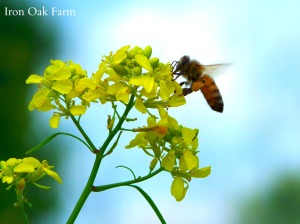 It’s important to understand these amazing creatures before you begin your home hive. Beekeeping is an on-going educational process but here are some facts about bees and their intricate lives.
23 Remarkable Facts About Honeybees
Are Honeybees Domesticated Livestock?
Drones: A Sign of a Healthy Hive
The Role of Nectar, Honey and Pollen in the Hive
The Birds and the Bees of …Bees
The House Bee and the Field Bee
How to Mitigate the Negative Impacts of Beekeeping
Species
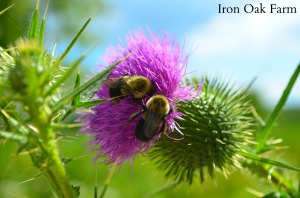 Did you know that not all bees are the same? There are many different species of bees that one can keep. Each species has different qualities, personalities and things they’re good at. Some are strong honey producers, some are more resistant to disease and parasites, others make better pollinators and some have a more docile attitude. Learn which species is right for you in the following articles.
The Endangered Rusty Patch Bumblebee
Harvesting and Incubating Leafcutter Bees in 4 Easy Steps
How to Build a Mason Bee Hotel
Home Sweet Home for Mason Bees
Country Lore: Mason Bee ‘Boxes’
Types of Bees for Backyard Honey
Carpenter Bees: The (Harmless!) Garden Pollinators
Harvesting Mason Bee Cocoons in 8 Easy Steps
6 Amazing Facts About Mason Bees
Which Bee Species is Right for Me?
Hives for Pollination and Conservation
The Advantages of “Small Cell Bees”
Buying and Moving Bees
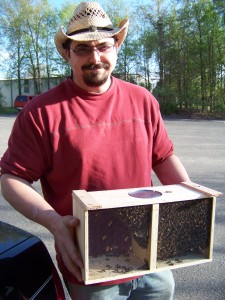 There are two main ways of acquiring bees for your hive. You can purchase them, or you can collect a swarm. Many beginners choose to purchase their first hive. Below you can learn how to purchase bees and how to install them in your hive.
Dreaming About Getting Honeybees This Year? Start Now!
The Walk-Away Split: Pros and Cons
The Difference Between a Package or a Nuc
Package or Nucs- Which is a Better Start?
How to Install a Package of Bees
Package Bees, a Gentler Way to Install
Swarming
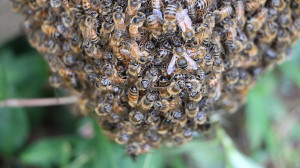 Catching a swarm of bees is a great way to increase numbers for free! Learn all about catching a swarm and how to care for a swarm until you can get it to your hive.
How to Make a Swarm Catching Kit
Attract a Swarm With This Hive Lure
5 Questions to Ask Before Catching a Swarm
Catching a Swarm (Video) – Sponsored
Bee Swarm Readiness- Gather Your “Bee Go” Kit Now
Hives
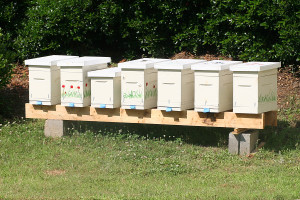 There are many different styles of hives to choose from. Some work better in certain climates, others are better for honey production, or wax production or for breeding bees. Learn all about the different types of hives and choose which is right for you.
Wall Beekeeping: An Ancient Beekeeping Practice
Scandinavian Bee Boxes: Protection From the Cold
Beehive Art – Your Apiary is a Work of Art
Unpacking Beehives After Winter
How To Make a Nucleus Honeybee Hive
Should You Use a Screened Bottom Board on Your Langstroth Hive?
Keeping Bees in Skeps: My Continuing Journey in Straw
Hive Entrances: Making a Bee Gauntlet
What to do with that Holiday Beekeeping Kit
How Much Space Does a Beehive Need?
Keeping Bees in Straw Hives- A New Journey
Here’s Lookin’ at ‘Em: Observation Hives
Hives for Pollination and Conservation
Feeding Bees
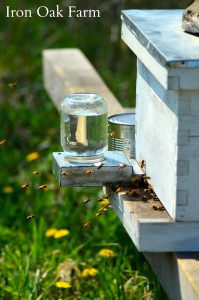
What Kind of Sugar Should I Feed My Bees?
Installing a Hive Top Bar Feeder (Video)
Feeding Bees- Keeping Your Hives Alive
WATCH: How to Feed Bees in Winter
The Importance of Spring Feeding
Gardening With Bees
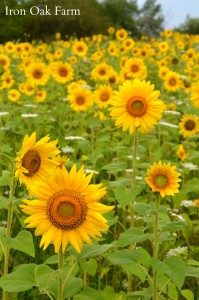
Winter Aconite-Early Spring Bee Flower
Top 5 plants for Late Season Nectar
10 Important Things to Know About Planting for Honeybees
Prairie Blazing Star: Native Plant Review
Grow Monarda Varieties: Bee Balm, Bergamot, Oswego and Horsemint
Planting Trees is Best for Bees
Bee Bee Tree – Honey Bee Magnet
The Bee and the Lemon Queen Sunflower
So What’s the Deal with the Cheerios Wildflower Seeds?
Hive Inspection
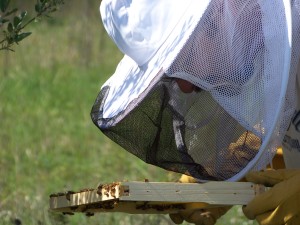
Removing Bees From Honey Supers
Persevering Through Hive Losses
My Version of Inspecting a Hive
Bee-havior
Interpreting the Buzz of Honeybees
How to Walk Away From a Moody Hive
Robbing Behavior + DIY Robbing Screens (with Video)
Seasonal Beekeeping
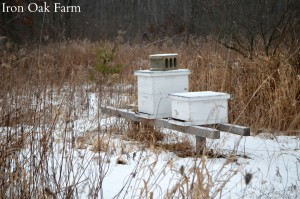
How to Help Bees in Hot Weather
Feeding Your Bees in the Winter with a Candy Board
SmartBee Cold Storage: Giving Bees a Chance
Winter Survival – Bees in Extreme Cold
End of Year To Do Lists and Reminders for Beekeepers
Preparing Northern Hives for Winter – 9 Ways
Early Spring Nectar and Pollen Sources for Bees
Equipment and Honey Extraction
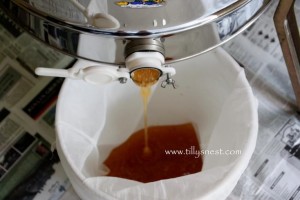 Beekeeping requires some bee-specific equipment. You need tools to use while inspecting your hive, suits and veils to keep you safe around bees and equipment to extract honey. Find out what you will need to get started in the following articles.
The Best Tool to Uncap Your Honey
Spring Cleanup of Old Equipment
Honey Harvest: Start to Finish
Sugar Syrup Spray vs Smoker for Calming Bees
The Trouble with Beekeeping Gloves
Extracting Honey Without an Extractor
9 Tips for an Easier Honey Harvest
Honey
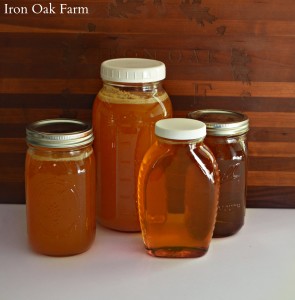
Local, Raw, Pure or Natural Honey
Lavender Honey Scented Body Butter
What to do with Crystallized Honey
The Last Honey Harvest of the Season
Wax
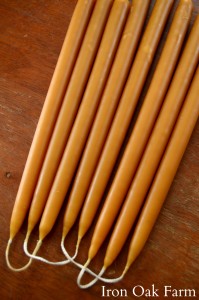
Uses for Beeswax Around the Home
Nontoxic Wood Sealant for Raised Garden Beds
Air Freshener Wax Tart – Recipe
DIY Beeswax Reusable Food Wraps
Beeswax and Homemade Sunscreen
Nature’s Byproducts: Honeybee Products Besides Just the Honey
How to Clean, Melt and Store Beeswax
Safety
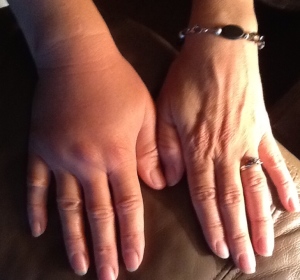
Large Local reaction to bee sting.
We all know that one of the downsides to beekeeping is the risk of getting stung. But with some simple equipment, a bit of common sense and a plan to treat bee stings, beekeeping can be a safe and enjoyable hobby.
Natural Remedies for Treating Bee Stings and Bug Bites
Common Sense Beekeeping Safety
Bee Stings and a Valuable Weed
Queens
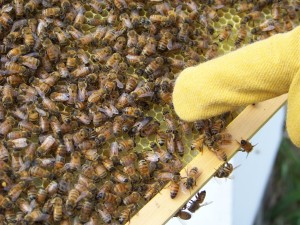 Queen bees are the center of every hive. She is a complicated insect and is the hub of all bee activity. The worker bees know that she alone sustains the hive population and they take their job of protecting and caring for her very seriously. It’s important that you understand her roll as Queen, learn to identify her among the workers and drones and how to replace a queen should yours die.
Re-queening a “Hot” Hive in 10 Steps
How to Become an Expert at Finding Your Queen
Queen Rearing: A Beekeeper’s Primer
Fix It: Queenless Hive full of Drones and Honey
When it’s Time to Squish a Queen
Diseases, Parasites, and Predators
Bees today are at an all time high risk of disease and parasite infestation. The use of pesticides, and chemicals has weakened the bee population and colony numbers are dropping at alarming rates. As beginning beekeepers it’s important to be able to identify and diagnose diseases and parasites in your hive. It’s also important to learn how to treat and prevent such afflictions for the good of the overall world bee population.
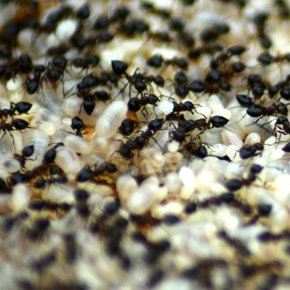
How to Keep Argentine Ants Out of Your Beehives
Using Essential Oils for Honey Bees
The Beetle Jail Follow-Up: A Review
Natural Pest Control for Beekeepers
The Treatment-free Varroa Mite Bomb Conspiracy Theory
Top 5 Reasons Not to Treat Your Bees With Chemicals
Treatment Free Beekeeping and the Varroa Mite
Treatment-Free Beekeeping Explained
Hive Beetles, Wax Moths and Varroa Mites, Oh My!
Are Honey Bees in Decline? Here’s What you can Do!
They’re Here! Yellow Jacket Season is Upon Us
Climate
 Before starting a hive, it’s important to consider the climate that you live. Bees require different things in different weather conditions. Know the needs of your bees before the seasons change.
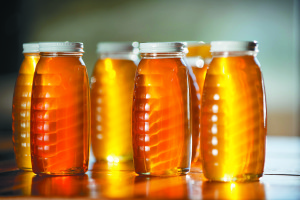
Photograph your honey in beautiful light to capture its color.
Marketing
If you’re interested in becoming a beekeeper because you’d like to begin a business here are some tools to help you market your hive products. Everything from pricing advice to tips on photographing your beautiful products. Here’s the 101 to help you sell!
Photographing Your Honey and Products





21 Comments
[…] http://keepingbackyardbees.com/bee-keeping-101/ […]
I would love to start a hive, we are north of Lake George NSW
advice and connections would be a great start.
Melanie
Great info. Lots of practicle how too. You have demonstrated that It doesn’t have to be rocket science. I use oil and grease around the legs to keep the ants away. You can use the coffee cans or buckets with just water in them. The ants won’t cross the water either.
am just starting to look after my beehive
which i bought from a farmer
am interested to keep bee but the thing is i not much about the knowledge of how i can keep them better
thanks
How do I register for your free newsletter please?
Nice blog right here! Additionally your website loads up fast! What web host are you the use of? Can I get your associate link on your host? I want my site loaded up as fast as yours lol
Thank you! So nice to have all this info in one place.
great post, very informative. I wonder why the other specialists of this sector don’t notice this. You should continue your writing. I am confident, you have a great readers’ base already!
Thanks for some other informative blog. Where else could I get that type of information written in such a perfect approach? I’ve a mission that I’m just now running on, and I have been at the glance out for such information.
Helpful information. Lucky me I discovered your web site by chance, and I am surprised why this twist of fate didn’t came about in advance! I bookmarked it.
Did bees in the 70s with a friend in Gainesville fl. Looking forward to doing back yard hives. I already have a pretty active hive in my roof rafters. How to I get them into a beehive? Thanks for help. Richard E Mcgrath Plantation Fl 9542907014. richardemcgrath1@gmail.com
Would love to learn more.
We are looking to start a homestead as soon as we can get some property. On terms of planning, I have a basic question. Should I get bees BEFORE starting to plan my berry bushes, etc or get the berry bushes first? Or do it at the same time?
It might be helpful to get your bees established before you get your berry bushes. That way you will ensure good pollination. But make sure your bees have other wild sources of food. Hope this answers your question. 🙂
Thank you for helping to understand more about beekeeping and the processes that go into building and maintaining a suitable hive. I live in a highly elevated area that experiences quite a bit of snow and winter weather. So, to know which hardware to use to best suit our area is definitely something to take into consideration. We will use your suggestions when we start our own beekeeping
Glad to help! Let us know when you get your hives 🙂
I’ll soon be moving to Johnson Valley, CA which is called “the high desert” and begin back yard bee keeping. Will it be difficult?
I live in Kansas. I have lots of white clove in my yard this year. But I don’t see my bees out foraging. I am feeding them sugar water. Should I stop feeding them or just continue to feed them? I am new at bee keeping.
Looking for a club or someone to advise me about beginning bee keeping in the Hollywood Hills (Los Angeles). Please respond if you have some advice about how to start.
I live in western New Mexico on 60 acres. There are no fields nor many native flowers, except in spring with a few purple flowers. Our area has pinion trees, cedar (juniper) trees. Not much else. I had one hive for about one year they died mites I think. I have planted flowers, fruit trees, herbs and berries. My question is how many plants and trees do honey bees need to survive? No one else close to me plant anything bees can use it is up to me.
Thank you for your response
I live in Las Vegas, Nevada and want to add a hive to my back yard. My only concern is that the corner I want to put the hive in has full all day sun and is next to a block wall that radiates heat back out, could this be a bad choice of locations for my hive???