• Free Newsletter
  • Contribute
  • Advertise

Welcome to Community Chickens!
Sign Up for Your Free Newsletter!


  • Home
  • About
    • Free Newsletter
    • Contributors
    • Become A Contributor
    • Giveaways
    • Contact Us
    • Advertise with Us
  • Bees
    • Bees 101
    • Beginning with Bees
    • Breeds of Bees
    • Hive Hiearchy
      • Queens
      • Drones
      • Workers
    • Why Bees?
    • Buying Bees
    • Health & Disease
    • Swarming
    • Bees & Law
    • Pollinator News
  • Equipment & DIY
    • Plants for Pollinators
    • Hive Types
    • Hive Plans
    • Equipment
    • Predator Control
    • Video Tutorials
    • Product Reviews
  • Hive Products
    • Honey
    • Pollen
    • Wax
    • Health Benefits
    • Recipes
    • Storage & Usage
  • Podcast
  • Ask a Question
  • Shop

Spring into Action

By Carl Jackson on April 2, 2015 Visit Carl's Website.

Share this:

  • Facebook
  • Twitter
  • Pinterest
  • Print
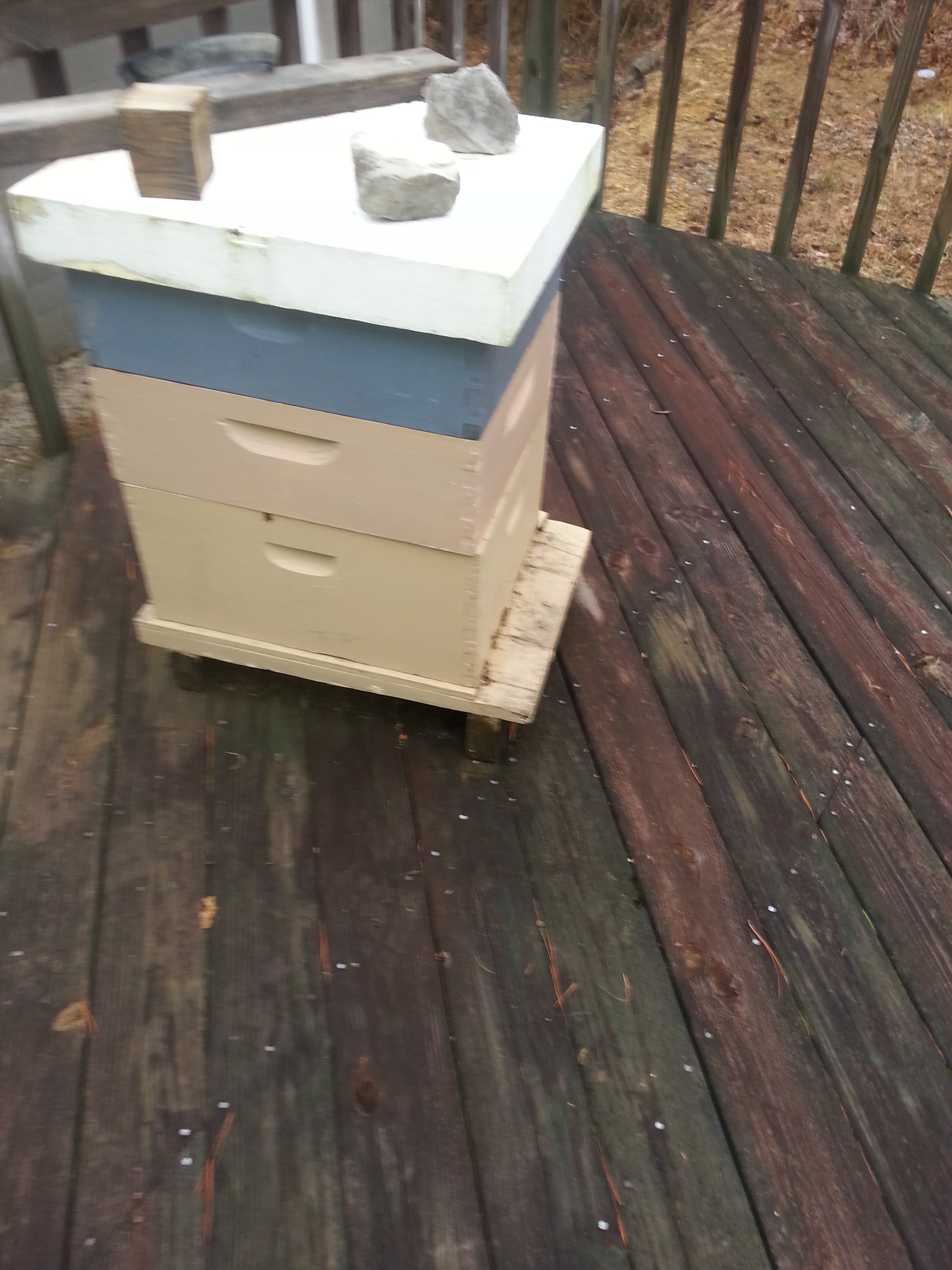
Bee pic 5

The bees are “cleaning house” after an early November cold spell.

With the temperature rising above 50 degrees for a few days, it’s time to do a curiosity evaluation. With a smoker in hand and winter patties in the toolbox, I set out to do a quick inspection while the sun is shining and winds are calm.  I notice bee activity at the entrance. A beekeeper waits all winter for this moment, which usually comes in mid to late February, but because of jet stream global warming or whatever the case may be, we have had record snowfall and temperatures at historic lows, resulting in a shorter window for beekeepers to do spring management planning.

Weather events might delay the spring season for a few days but will result in a much faster-paced spring: the more the blooming of flowers and trees during the same period, the greater the food source, with bees trying to take advantages of this abundant supply of nutrition by expanding the growth of the colony.  This is one of the most important and beneficial times for management practices with a colony surviving this stressful winter season, which impacts the stored food source, colony numbers, and health of the queen.
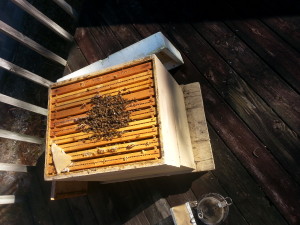
Bee pic 8

Early quick inspection in December.

At this time quick action must be done, whether it’s feeding, reconfiguring the hive or replacing the queen.  Colonies are lost even after surviving winter because of starvation due to the weather patterns.  Reconfiguring the hives can benefit the growth of the colony when moving food sources close to the brood area. Winter has a major negative impact on the queen’s health and in some cases, causes her death.  The quality of the queen is most important at this time and must be judged by visual appearance, interaction with the colony, and production.
Bee pic 14

One of our snowstorms!

Egg-laying production should be judged with the actual size of the colony taken into consideration and available food sources.  It is possible for a queen to be replaced, but beekeepers have to make this decision very swiftly.  Queen availability in early spring can be questionable with the only sources being breeders from southern states, but their sale of packaged bees and nucs is priority.

The confirmation of a strong and healthy colony can also require quick decision making.  That can be a major benefit to beekeepers. The growth of a healthy colony can astonish even a seasoned beekeeper.  With a little planning, this colony can be split to add to the number of colonies or sold at a premium price or to replace the loss of another colony.  If no action is taken, it could result in a swarm as the nectar flow is beginning.
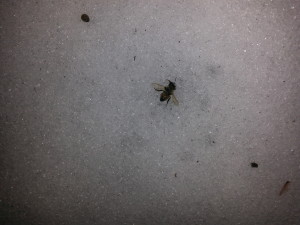
Bee pic 13

RIP dead bee on the snow.

Bees split like this very naturally. But such a split is a huge loss for a honey-producing beekeeper, especially those in recovery from heavy winter losses. Such a split requires planning, ordering a queen, adding to existing hive space to give the colony room to expand, increased feeding, and equipment readiness. So act quickly this spring!
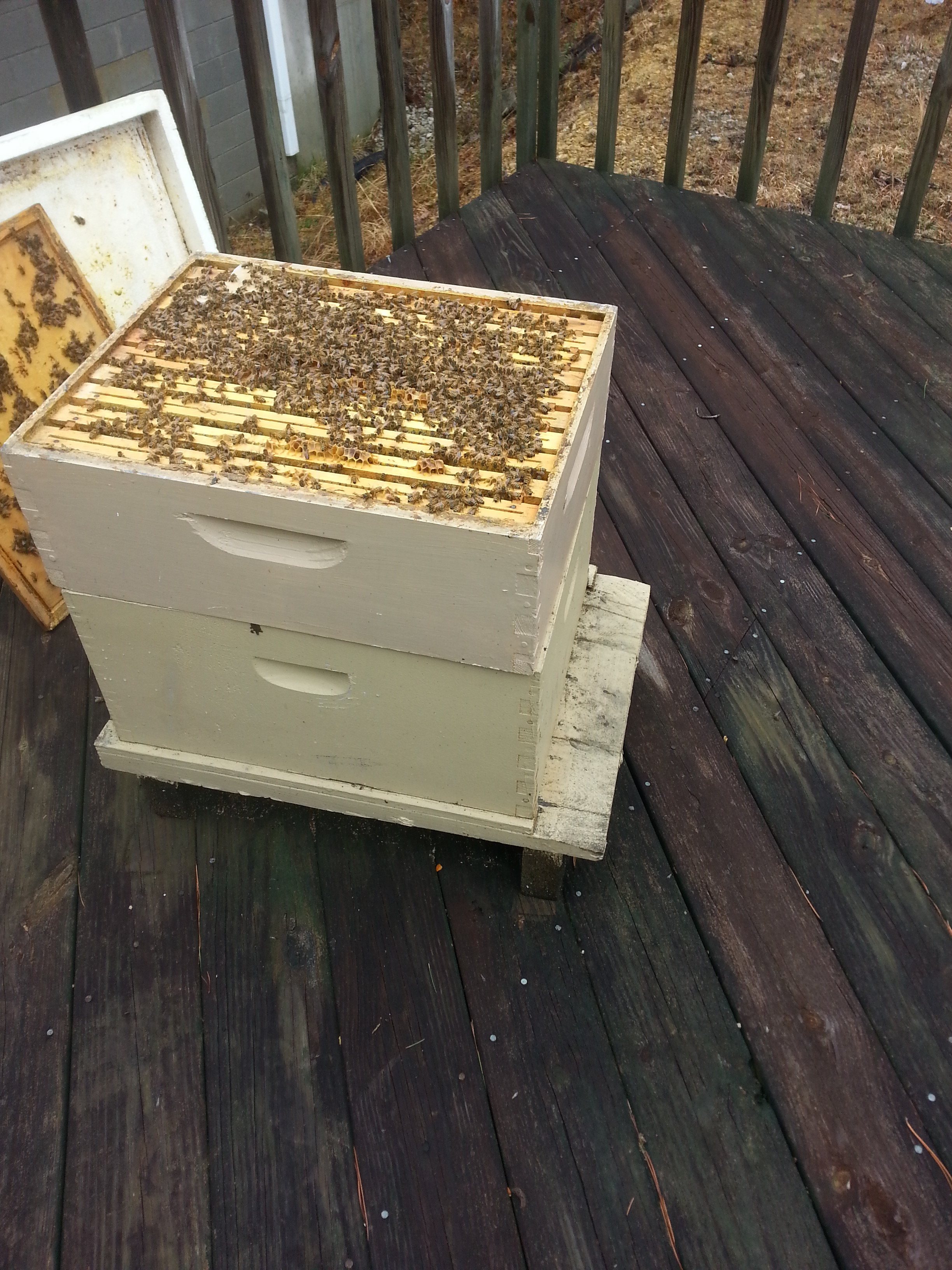
Bee pic 17

Early March inspection.

Bee pic 18

Taking action from the result of a healthy colony. Early preparations to split.

Tags

  • spring
  • Spring Management
  • winter

Related Posts

 
Bees, Bees 101,

Open Feeding

 
Bees 101, Health Benefits, Predator Control,

Top 7 Reasons for Cranky Bees

 
Health & Disease

The Treatment-free Varroa Mite Bomb Conspiracy Theory

 
Bees

A Neglected Bee Yard

 
All About Queens, Bees, Bees 101, Equipment & DIY,

When It’s Time to Squish a Queen

Leave a Comment

  Cancel Comment


      Connect with Us

    • Get Our Free Newsletter!

      Subscribe to Grit

    • For more than 130 years, Grit magazine has helped its readers live more prosperously and happily all the while emphasizing the importance of community and a rural lifestyle tradition.
    • Subscribe today!

      Popular

    • Pricing Your Honey
    • The Great Sunflower Project
    • Keeping Hardier Bees
    • 8 Proper Beehive Placement Tips
    • Extracting Honey Without an Extractor
    • Recent

    • DIY Providing Water for Bees
    • Garden Plan for Attracting Pollinators
    • Hive Inspections During Dearth + Video Tutorial
    • Establishing a Successful Bee Garden
    • Top 7 Reasons for Cranky Bees


Delivered by:

Mother Earth News Grit Community Chickens
Copyright © 2026, All Rights Reserved | Privacy Policy | Terms of Use | Ogden Publications, Inc., 1503 SW 42nd St., Topeka, Kansas 66609-1265
  • Home
  • About
    • Free Newsletter
    • Contributors
    • Become A Contributor
    • Giveaways
    • Contact Us
    • Advertise with Us
    • Back
  • Bees
    • Bees 101
    • Beginning with Bees
    • Breeds of Bees
    • Hive Hiearchy
      • Queens
      • Drones
      • Workers
      • Back
    • Why Bees?
    • Buying Bees
    • Health & Disease
    • Swarming
    • Bees & Law
    • Pollinator News
    • Back
  • Equipment & DIY
    • Plants for Pollinators
    • Hive Types
    • Hive Plans
    • Equipment
    • Predator Control
    • Video Tutorials
    • Product Reviews
    • Back
  • Hive Products
    • Honey
    • Pollen
    • Wax
    • Health Benefits
    • Recipes
    • Storage & Usage
    • Back
  • Podcast
  • Ask a Question
  • Shop