• Free Newsletter
  • Contribute
  • Advertise

Welcome to Community Chickens!
Sign Up for Your Free Newsletter!


  • Home
  • About
    • Free Newsletter
    • Contributors
    • Become A Contributor
    • Giveaways
    • Contact Us
    • Advertise with Us
  • Bees
    • Bees 101
    • Beginning with Bees
    • Breeds of Bees
    • Hive Hiearchy
      • Queens
      • Drones
      • Workers
    • Why Bees?
    • Buying Bees
    • Health & Disease
    • Swarming
    • Bees & Law
    • Pollinator News
  • Equipment & DIY
    • Plants for Pollinators
    • Hive Types
    • Hive Plans
    • Equipment
    • Predator Control
    • Video Tutorials
    • Product Reviews
  • Hive Products
    • Honey
    • Pollen
    • Wax
    • Health Benefits
    • Recipes
    • Storage & Usage
  • Podcast
  • Ask a Question
  • Shop

KBBEditor

Visit KBB's Website

 
Bees, Bees 101

23 Remarkable Facts About Honeybees


The more we learn about honeybees, the more fascinating they become. They live not as individuals, but act as a super-organism and they are in every way adapted to live productive lives without wasting time, energy, or natural resources. Here are a few glimpses into their complex world. Of an estimated 25,000 known species of […]

Read more »
 
Bees, Plants for Pollinators,

The Best Wildflowers for Honeybees


In recent years, the role of wildflowers in feeding honeybees has been widely misunderstood. Yes, wildflowers are a precious resource. Yes, there are not nearly enough of them. But no, they are not going to save the day. No matter how many packets of bee-friendly wildflower seeds are nobly given out and scattered, they are […]

Read more »
 
Recipes, Storage & Usage, Wax,

Beeswax Sealant Recipe for Wicker Furniture


Much of the garden furniture today is made of plastic rather than wood. If you are lucky enough to have a set of old-fashioned wicker or bent willow garden furniture, you can use this Beeswax Sealant Recipe for to keep it in top shape. Yield: 1 12-ounce jar Ingredients 1/2 cup beeswax 1/2 cup grapeseed […]

Read more »
 
Recipes, Storage & Usage, Wax

Nontoxic Beeswax Sealant for Raised Garden Beds


Preserving the wood used to enclose raised garden beds is a conundrum. Popular wood preservatives contain toxic heavy metals that leach into the soil of a vegetable garden, potentially contaminating the soil and any food growing there. But because garden boxes are exposed to the weather and remain perpetually damp, some kind of preservative is […]

Read more »
 
Recipes, Wax

Beeswax Tarts Recipe


These beeswax tarts replace chemical room fresheners, promoting healthier indoor air. These are useful in the kitchen to remove dank odors without toxic chemicals. Each beeswax tart is about 1-1/2 ounces. This project includes three homey scents: citrus, calm, and alert. Citrus Beeswax Tarts Recipe   Yield: 5 beeswax tarts Ingredients 1/2 cup beeswax 1/2 […]

Read more »
 
Earn Your Stripes, Plants for Pollinators

10 Things to Know About Planting for Honeybees


Armed with these guiding principles, you’ll be able not only to plan your own space but also to impress friends with brief but impressively knowledgeable lectures on how to plant specifically for honeybees! QUANTITY, QUALITY, AND VARIETY Plentiful supplies of varied forage are essential to help honeybees withstand the impact of disease and harmful environmental […]

Read more »
 
Recipes, Wax

Beeswax Crayons and Pastels Recipes


Every fall, boxes of crayons come home with the school supplies. Most crayons are made with paraffin wax and stearic acid. Soy crayons are made with hydrogenated genetically modified soybean oil. So while technically, crayons are “nontoxic,” they are not necessarily benign. You could make crayons by melting beeswax and adding a pigment. The resulting […]

Read more »
 
Recipes, Wax

Beeswax Beard Balm Recipe


Beard balm is a leave-in conditioner that softens, moisturizes, and helps style your beard. The beeswax in beard balm offers a light to medium hold, but its main job is to seal in moisture. A well-made beard balm will also condition the skin, leaving it soft and moisturized. Beard balm is a thicker, more moisturizing […]

Read more »
 
Equipment, Recipes

Natural Remedies to Treat Bug Bites and Bee Stings


Welcome to summer and all it entails: barbecues, hiking, evening walks — and bee stings and bug bites. Take heart: You don’t have to spend the entire season scratching. Many of the best anti-itch remedies are as close as your backyard, kitchen, or local health food store. No single remedy will work for everyone, so […]

Read more »
 
Hive Plans

Lego Beehive


Is this not the coolest ever?! LEGO Bee Hive. Designed to cover a standard 3 level OATH hive, top layer is the honey box mmmmm! This is a species of Australian Stingless Bee, Tetragonula. . . . Reposting @shane.artisan @lego #tetragonulacarbonaria #stinglessbees #sugarbag #sugarbagbees #tetragonula #habitatsculpture #honey #pollination #pollinating #pollinationstation #beehotel #beeart #bee #savethebees #🐝 […]

Read more »
 
Hive Types, Product Reviews,

Making Homes for Wild Bees


Solitary cavity-nesting species such as mason bees are attracted to logs and dead trees, as well as hollow branches such as bamboo or sumac. Elderberry stems also are good because they have a soft pith that’s easily cleaned out. David Green of pollinator.com says don’t place elderberry stems out too late in spring because they […]

Read more »
 
Plants for Pollinators

Trees for Bees


It’s old news that beekeepers are struggling to provide diverse, pesticide-free forage for their colonies, as scientists have been voicing alarm about the decline in pollinator populations for more than a decade. But part of the solution to help today’s stressed bees may be in your own backyard: Consider the incredible quantity of nectar produced […]

Read more »
 
Equipment, Health & Disease, Predator Control

Varroa Mite Solutions


When colony collapse disorder (CCD) hits a colony, the bees literally disappear. You open the hive, and no one is home. No dead bees. No signs of disease. Just nothingness. And its scale is shocking. Some commercial beekeepers have lost thousands of hives in the blink of an eye. The losses have been dramatic enough […]

Read more »
 
Honey, Plants for Pollinators,

All About Honey Flow


Experienced beekeepers are keenly aware of which flowers provide bees with nectar, when those flowers are in bloom, and whether the right balance of rain and shine has encouraged them to bloom in abundance. In beekeeping jargon, when there is a bounty of nectar for bees to forage, a honey flow is said to be […]

Read more »
 
Bees 101

Interpreting the Buzz of Honeybees


Every visit to the bee yard, I learn something new — either about beekeeping in general or about my particular colonies. In previous years, I have gone four to six weeks without opening a hive. This spring and summer, the longest is two weeks. It is one thing to read about bee behavior and quite […]

Read more »
  • « Previous Page
  • 1
  • 2
  • 3
  • 4
  • …
  • 8
  • Next Page »

      Connect with Us

    • Get Our Free Newsletter!

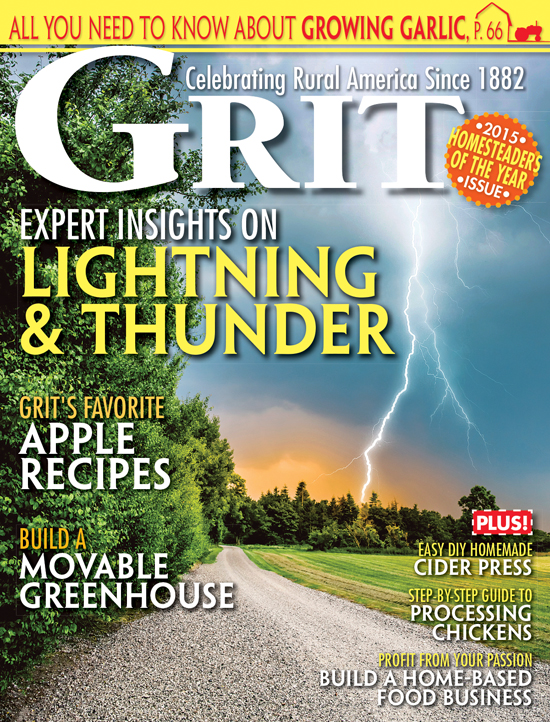
      Subscribe to Grit

    • For more than 130 years, Grit magazine has helped its readers live more prosperously and happily all the while emphasizing the importance of community and a rural lifestyle tradition.
    • Subscribe today!

      Popular

    • Pricing Your Honey
    • The Great Sunflower Project
    • Keeping Hardier Bees
    • 8 Proper Beehive Placement Tips
    • Extracting Honey Without an Extractor
    • Recent

    • DIY Providing Water for Bees
    • Garden Plan for Attracting Pollinators
    • Hive Inspections During Dearth + Video Tutorial
    • Establishing a Successful Bee Garden
    • Top 7 Reasons for Cranky Bees

Delivered by:

Mother Earth News Grit Community Chickens
Copyright © 2026, All Rights Reserved | Privacy Policy | Terms of Use | Ogden Publications, Inc., 1503 SW 42nd St., Topeka, Kansas 66609-1265
  • Home
  • About
    • Free Newsletter
    • Contributors
    • Become A Contributor
    • Giveaways
    • Contact Us
    • Advertise with Us
    • Back
  • Bees
    • Bees 101
    • Beginning with Bees
    • Breeds of Bees
    • Hive Hiearchy
      • Queens
      • Drones
      • Workers
      • Back
    • Why Bees?
    • Buying Bees
    • Health & Disease
    • Swarming
    • Bees & Law
    • Pollinator News
    • Back
  • Equipment & DIY
    • Plants for Pollinators
    • Hive Types
    • Hive Plans
    • Equipment
    • Predator Control
    • Video Tutorials
    • Product Reviews
    • Back
  • Hive Products
    • Honey
    • Pollen
    • Wax
    • Health Benefits
    • Recipes
    • Storage & Usage
    • Back
  • Podcast
  • Ask a Question
  • Shop