
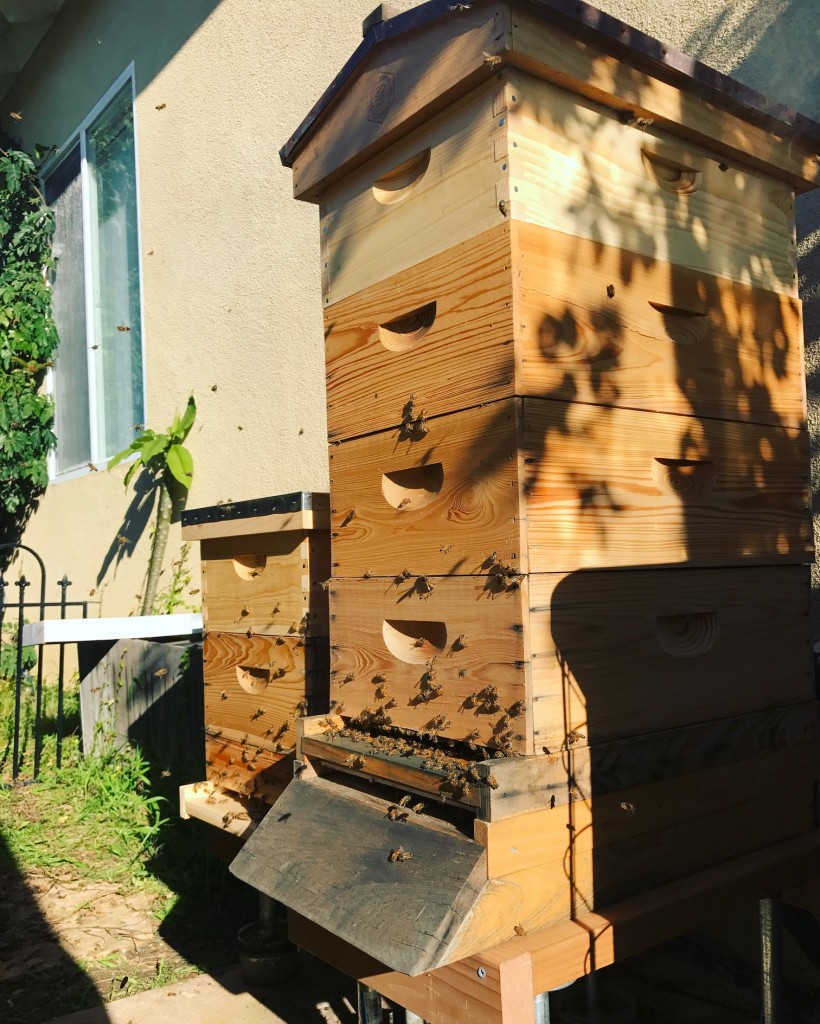
Most new beekeepers make the mistake of starting with just one hive. It makes sense. Beginners are often hesitant to get any bees at all! A second hive might seem to you like more work, more responsibility and it doubles the cost of your new hobby. So, why do experienced beekeepers recommend you start with at least two hive? Read on to find out.
You’ll Learn More
New beekeepers have a tremendous amount to learn. You could spend months reading and preparing yourself for bees and still struggle to understand your bees when they finally arrive. The real learning begins when you start to spend time with your bees. Each colony is unique. They have different temperaments, different preferences, different needs and they can vary in strength quite a lot. You can have two colonies right next to each other and get completely different outcomes. One might thrive and make lots of honey right away, while the other remains small and stagnant. If you had just one of these colonies, you might not recognize that the small one was abnormal or that the large one was especially robust. So, when you begin with just one colony, you will be severely limiting your learning experience. There will be no way to gauge your colonies progress when you have nothing to compare it to. A weak colony might appear normal to you. Plus, the more colonies you have, the more situations you will be able to observe and the more you will learn. The extra time you will spend managing two to four hives versus just the one is negligible and with everything you’ll learn from it, it’s unlikely you’ll notice.
Better Odds
Everybody loses hives, but new beekeepers are much more likely to lose theirs. New beekeepers don’t always recognize and intervene when a colony begins to fail. They haven’t had the advantage of learning for their experiences yet. A beginner with several hives not only has the advantage of comparison which often triggers them to act when a hive is failing, they also have numbers on their side. Simply put, the more hives a beekeeper has, the better the chance that one of them will survive into the next season.
Management Tricks
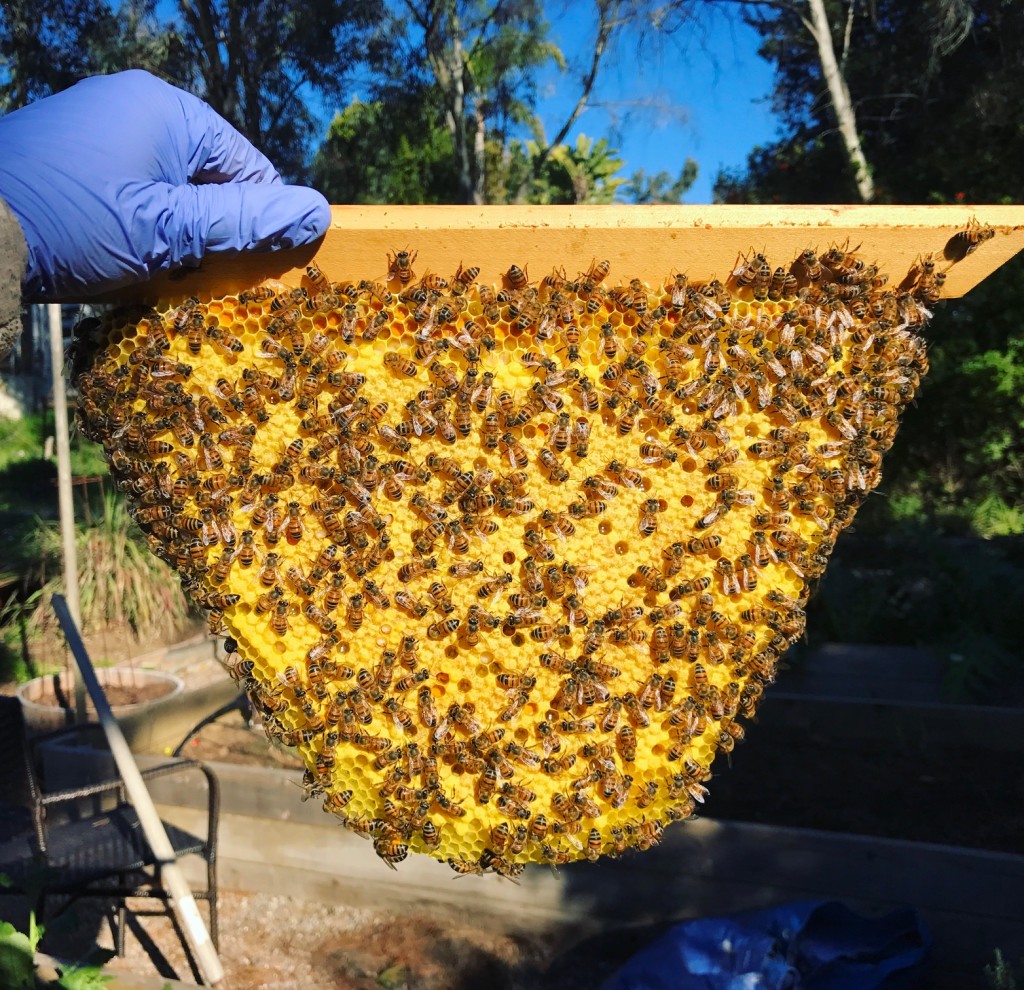
Having more than one colony also gives a beekeeper more options when managing a weak or troublesome hive. I’ll give a few examples. If your colony ever becomes queenless, you can take a frame of young larvae from one of your other colonies and let them make a new queen from it. Sometimes this is done just to test if a colony is queenless when you are not sure. (A queenless colony will make queen cells on a frame like that if they are truly queenless). If you ever have a colony where the population has dropped, you can take a frame of capped brood from one of your other colonies to help strengthen it. You can also take honey and pollen from a strong colony and use it to feed a colony with low food stores.
Long-term Savings
Up front, the costs of buying equipment to house two colonies and maybe even purchasing two starter colonies can be daunting, but long term you may actually save money. In the most straightforward sense, you will save on shipping costs if you buy your equipment online all at once versus making two orders. This notion is based on an assumption that if you continue to keep bees you will eventually decide to get more than one hive, as is the case with most of us. Second saving opportunity stems from the possibility of making splits. If you start off with several hives and at least one of the survives and thrives again the following spring, you can make new colonies from it and save yourself from having to buy more starter colonies.






4 Comments
Hi Hilary that was really a great and informative article which makes a lot of sense!! I value the information and please refer me to any new articles you may write in the future. These pearls of wisdom adds to my knowledge base along with the magazines and books I have purchased. Thank you again Sharon McCann
I got to get home,love garden & honey,they work together,eat good healthy.Jeff Schwersinske
[…] Two Hives Are Better Than One […]
This is one of the best pieces of advice I actually took when I started bee keeping. Had the exact situation you described, where one became weak and I thought queen-less. I added the extra frame of larva, but in reality they had already raised a new queen, she just hadn’t started laying yet. Never would have known there was even possibly a problem without the second hive to compare against.