• Free Newsletter
  • Contribute
  • Advertise

Welcome to Community Chickens!
Sign Up for Your Free Newsletter!


  • Home
  • About
    • Free Newsletter
    • Contributors
    • Become A Contributor
    • Giveaways
    • Contact Us
    • Advertise with Us
  • Bees
    • Bees 101
    • Beginning with Bees
    • Breeds of Bees
    • Hive Hiearchy
      • Queens
      • Drones
      • Workers
    • Why Bees?
    • Buying Bees
    • Health & Disease
    • Swarming
    • Bees & Law
    • Pollinator News
  • Equipment & DIY
    • Plants for Pollinators
    • Hive Types
    • Hive Plans
    • Equipment
    • Predator Control
    • Video Tutorials
    • Product Reviews
  • Hive Products
    • Honey
    • Pollen
    • Wax
    • Health Benefits
    • Recipes
    • Storage & Usage
  • Podcast
  • Ask a Question
  • Shop

How Do Bees Make Honey?

By KBBEditor on June 2, 2016 Visit KBB's Website.

Share this:

  • Facebook
  • Twitter
  • Pinterest
  • Print

Did you know one healthy hive will make or consume more than 50 kg of honey in a single year? But how is it made, exactly?

Screen Shot 2016-06-02 at 8.12.41 AM


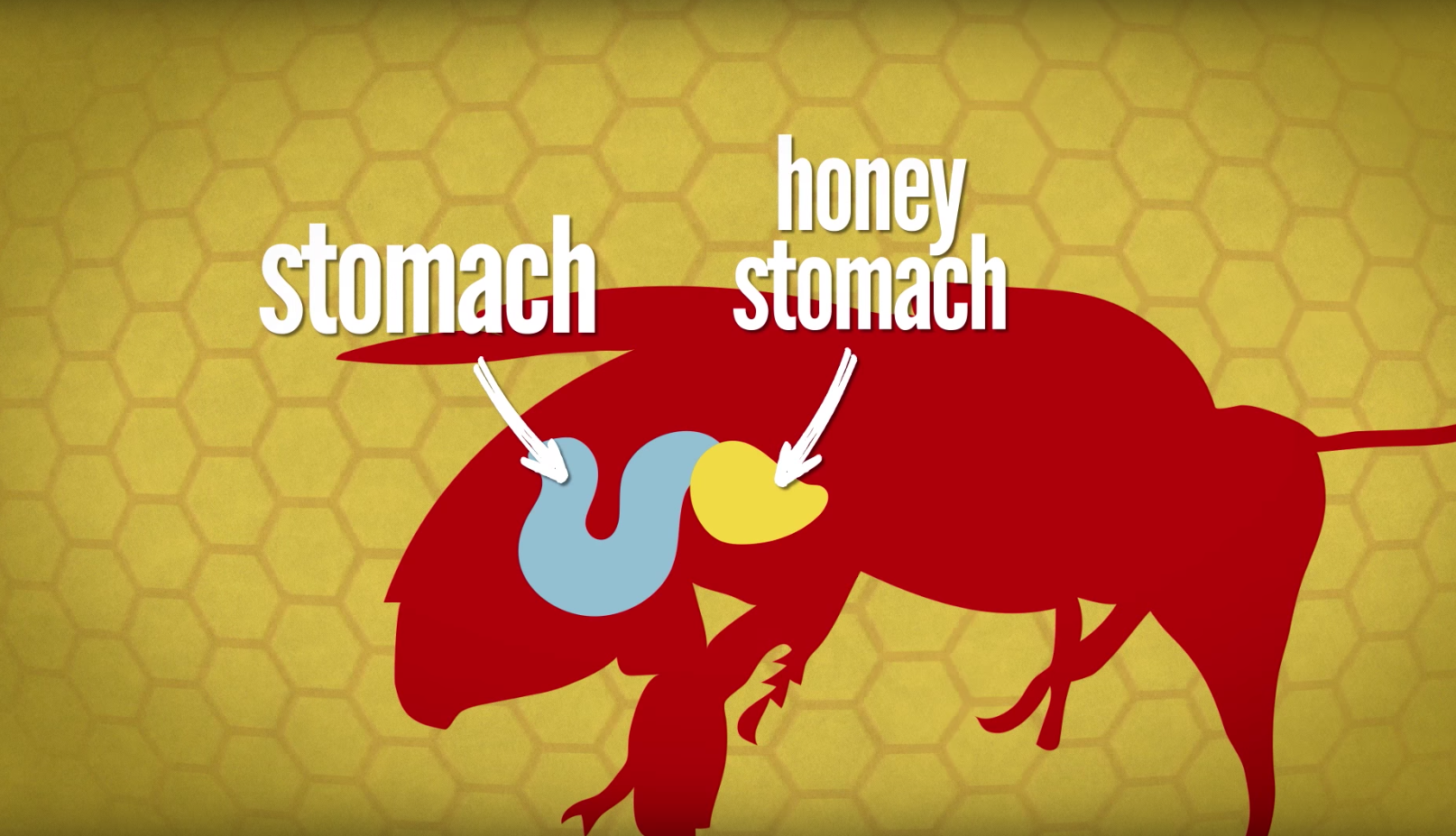
Honey bees slurp up a flower’s nectar into one of two stomachs, one called the honey stomach, and a single bee may have to drink from more than 1,000 flowers just to fill this honey stomach.

Screen Shot 2016-06-02 at 8.12.59 AM


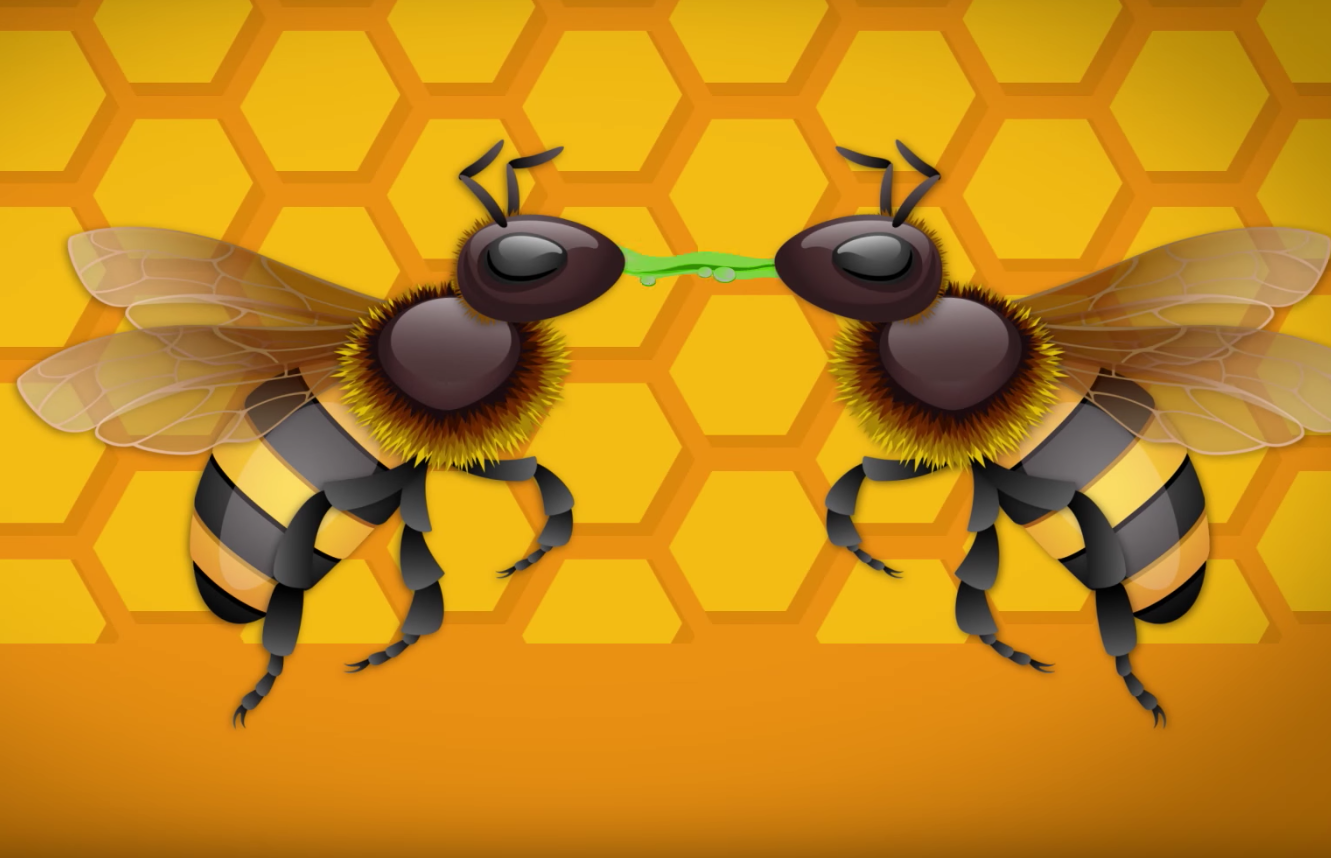
What follows is … a lot of vomiting. Check out the video below to learn more.

Tags

  • guest
  • how bees make honey
  • video

Related Posts

 
Health Benefits, Hive Products, Recipes, Wax

Beeswax Citrus Soap Recipe

 
Recipes, Wax

Beeswax Crayons and Pastels Recipes

 
Breeds of Bees, Honey

Types of Bees for Backyard Honey

 
Recipes, Storage & Usage, Wax

Nontoxic Beeswax Sealant for Raised Garden Beds

 
Hive Products, Wax

Container Beeswax Candle

Leave a Comment

  Cancel Comment

8 Comments


  • Hugo Maraki says:
    June 2, 2016 at 7:12 pm

    What is the purpose of hive mats

    Reply
  • Anthony says:
    June 3, 2016 at 5:40 pm

    I told my grandson James this, a few months back and he got embarrassed, we where at a Brookshires store and I was a little-loud, I was only making sure HE understood me (ha ha). Now when I can I’m going to show him this article, and show him I was not being loud on purpose 🙂 .

    Reply
  • Karen Peteros says:
    June 3, 2016 at 9:25 pm

    Nice job but there are two errors in this video:

    1. “Vomit” is not the correct term to apply to the exchange of nectar from one worker to another. Vomit is appropriate for us, since we only have one stomach which is purely for digestion. Honey bees on the other hand have two stomachs. They do not transfer nectar from their digestive stomach but only from their honey stomach or “honey crop.”

    2. Virgin queens do not “fly to another hive” to mate. Instead they fly about 30′ in the air to further areas beyond their hive where drones from other colonies congregate, and she will mate with them. Drones from the same colony as the virgin queen will fly to areas closer to the hive and mate with virgin queens from further away colonies. Different areas for a virgin queen and drones from the same colony to go to mate is an amazing adaptation to help avoid interbreeding.

    I think the concept of drone congregation areas (DCAs) are simple enough to include with the information in this video. Also, the fact that the queen mates for only one period at the beginning of her life is fascinating, as is the fact that she stores in a special organ all the sperm she receives from those matings in order to fertilize her eggs that will become female bees or “workers.”

    Reply
  • Brian Teakle says:
    June 4, 2016 at 7:12 am

    I enjoy all your videos here in South Australia. I have now purchased 4 Hives all I need now are Bees. Need to learn a lot more .

    Reply
  • Dalinda says:
    June 25, 2016 at 6:01 pm

    I have battled bees for years at our ranch. They are aggresive and plentiful. They keep coming back year after year all over the place. Why is their honey black? Is it safe to eat? Is it possible I could turn this problem into a honey making operation? So tired of fighting and killing them Our abandoned house on the farm has been overtaken by bees despite all our efforts to get rid of them for safety sake.
    Any suggestions you may give me are appreciated.

    Reply
  • Tom Smith says:
    December 25, 2018 at 4:33 pm

    Great, I love the combination of narrative and the sketches, much clearer and easier to get the point.
    Many thanks.
    How do I get more videoes from you guys?

    Reply
  • Virginia says:
    June 27, 2019 at 12:27 pm

    I really enjoyed your video very informative looking forward to the next BEE HAPPY

    Reply
  • Mark Baker says:
    November 2, 2019 at 2:40 am

    I don’t know how it all works out in other areas, but here, in Hawaii, with no winter and it flowering year-round, it is possible for a hive of honeybees to make as much as 1560 pounds per hive, per year! That’s a lot of nectar collected as well since its 5 pounds of nectar for each pound of honey produced.’

    Reply


      • Connect with Us

      • Get Our Free Newsletter!

        Subscribe to Grit

      • For more than 130 years, Grit magazine has helped its readers live more prosperously and happily all the while emphasizing the importance of community and a rural lifestyle tradition.
      • Subscribe today!

        Popular

      • Pricing Your Honey
      • The Great Sunflower Project
      • Keeping Hardier Bees
      • 8 Proper Beehive Placement Tips
      • Extracting Honey Without an Extractor
      • Recent

      • DIY Providing Water for Bees
      • Garden Plan for Attracting Pollinators
      • Hive Inspections During Dearth + Video Tutorial
      • Establishing a Successful Bee Garden
      • Top 7 Reasons for Cranky Bees


    Delivered by:

    Mother Earth News Grit Community Chickens
    Copyright © 2026, All Rights Reserved | Privacy Policy | Terms of Use | Ogden Publications, Inc., 1503 SW 42nd St., Topeka, Kansas 66609-1265
    • Home
    • About
      • Free Newsletter
      • Contributors
      • Become A Contributor
      • Giveaways
      • Contact Us
      • Advertise with Us
      • Back
    • Bees
      • Bees 101
      • Beginning with Bees
      • Breeds of Bees
      • Hive Hiearchy
        • Queens
        • Drones
        • Workers
        • Back
      • Why Bees?
      • Buying Bees
      • Health & Disease
      • Swarming
      • Bees & Law
      • Pollinator News
      • Back
    • Equipment & DIY
      • Plants for Pollinators
      • Hive Types
      • Hive Plans
      • Equipment
      • Predator Control
      • Video Tutorials
      • Product Reviews
      • Back
    • Hive Products
      • Honey
      • Pollen
      • Wax
      • Health Benefits
      • Recipes
      • Storage & Usage
      • Back
    • Podcast
    • Ask a Question
    • Shop