• Free Newsletter
  • Contribute
  • Advertise

Welcome to Community Chickens!
Sign Up for Your Free Newsletter!


  • Home
  • About
    • Free Newsletter
    • Contributors
    • Become A Contributor
    • Giveaways
    • Contact Us
    • Advertise with Us
  • Bees
    • Bees 101
    • Beginning with Bees
    • Breeds of Bees
    • Hive Hiearchy
      • Queens
      • Drones
      • Workers
    • Why Bees?
    • Buying Bees
    • Health & Disease
    • Swarming
    • Bees & Law
    • Pollinator News
  • Equipment & DIY
    • Plants for Pollinators
    • Hive Types
    • Hive Plans
    • Equipment
    • Predator Control
    • Video Tutorials
    • Product Reviews
  • Hive Products
    • Honey
    • Pollen
    • Wax
    • Health Benefits
    • Recipes
    • Storage & Usage
  • Podcast
  • Ask a Question
  • Shop

Honey Sticks

By KBBEditor on November 20, 2014 Visit KBB's Website.

Share this:

  • Facebook
  • Twitter
  • Pinterest
  • Print
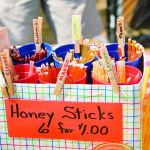
"Honey Sticks" sign with product.

“Honey Sticks” sign with product.

Guest post by Samantha and Daniel Johnson

You’ll often see honey sticks for sale at farmers’ markets and specialty shops; they’re popular with customers because they’re fun, convenient, and inexpensive; usually 25 cents each or five for $1. Each “straw” of honey contains one serving, making them a perfect choice for an on-the-go addition to tea or other beverages. Fortunately for you, consumers love to buy honey sticks. Unfortunately for you, they’re not the easiest item to produce. Large scale producers of honey sticks use equipment and machinery that can efficiently make vast quantities of honey sticks in a short amount of time. This is typically not a feasible option for the average beekeeper, but the good news is that, with a bit of investment in small-scale equipment, it is possible to make honey sticks by hand.

To do this, you’ll need the following:

• Honey (You’d already figured that one out, hadn’t you?)
• Straws (Clear, straight straws are best.)
• Plastic condiment bottle (The kind they use for ketchup in restaurants.)
• Impulse sealer (You’ll use this to seal the sticks.)

Basically, you’ll fill the condiment bottle with some honey, then insert the tip of the bottle into the end of a straw and squeeze the bottle until the straw is nearly filled (leave a bit about 1/4 inch on each end). Then place the straw on the impulse sealer and seal each end of the stick. Sound easy? It is— except for the fact that it is a time-consuming process. But once you establish a rhythm, you’ll likely be able to speed things up and make faster progress. Once you’ve amassed a sufficient supply of honey sticks (a few hundred or so is a good start), offer them for sale at your next event and watch the honey sticks disappear into the happy hands of satisfied consumers.

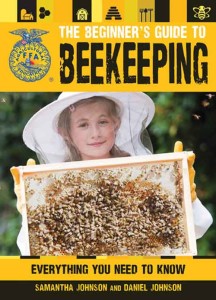
Excerpted from The Beginners Guide to Beekeeping written by Daniel & Samantha Johnson. All rights reserved.The-Beginners-Guide-to-Beekeeping
Tags

  • diy
  • honey straws
  • packaging
  • Samantha and Daniel Johnson

Related Posts

 
Bees, Health & Disease, Hive Products, Honey

The Dangers of Over-harvesting Honey

 
Health & Disease, Honey,

5 Health Benefits of Honey for Children Over 2

 
Honey, Plants for Pollinators,

All About Honey Flow

 
Honey, Recipes

All About Honey Water

 
Honey, Storage & Usage

Harvest Your Honey (Podcast)

Leave a Comment

  Cancel Comment

3 Comments


  • Otis says:
    July 20, 2015 at 8:14 am

    Hey there, I think your blog might be having browser compatibility issues.
    When I look at your blog in Chrome, it looks fine but when opening in Internet Explorer, it has
    some overlapping. I just wanted to give you a quick heads up!
    Other then that, awesome blog!

    Reply
  • Miguel carbonell says:
    April 9, 2016 at 11:28 pm

    Good info

    Reply
  • Tammy says:
    September 5, 2019 at 12:43 pm

    Do you think the seal only setting on a vacuum packer would work for sealing the straws?
    Or possibly any other household item, iron, hair straightener, etc.? Sounds like a great idea, just can’t impulse buy an impulse sealer.

    Reply


      • Connect with Us

      • Get Our Free Newsletter!

        Subscribe to Grit

      • For more than 130 years, Grit magazine has helped its readers live more prosperously and happily all the while emphasizing the importance of community and a rural lifestyle tradition.
      • Subscribe today!

        Popular

      • Pricing Your Honey
      • The Great Sunflower Project
      • Keeping Hardier Bees
      • 8 Proper Beehive Placement Tips
      • Extracting Honey Without an Extractor
      • Recent

      • DIY Providing Water for Bees
      • Garden Plan for Attracting Pollinators
      • Hive Inspections During Dearth + Video Tutorial
      • Establishing a Successful Bee Garden
      • Top 7 Reasons for Cranky Bees


    Delivered by:

    Mother Earth News Grit Community Chickens
    Copyright © 2026, All Rights Reserved | Privacy Policy | Terms of Use | Ogden Publications, Inc., 1503 SW 42nd St., Topeka, Kansas 66609-1265
    • Home
    • About
      • Free Newsletter
      • Contributors
      • Become A Contributor
      • Giveaways
      • Contact Us
      • Advertise with Us
      • Back
    • Bees
      • Bees 101
      • Beginning with Bees
      • Breeds of Bees
      • Hive Hiearchy
        • Queens
        • Drones
        • Workers
        • Back
      • Why Bees?
      • Buying Bees
      • Health & Disease
      • Swarming
      • Bees & Law
      • Pollinator News
      • Back
    • Equipment & DIY
      • Plants for Pollinators
      • Hive Types
      • Hive Plans
      • Equipment
      • Predator Control
      • Video Tutorials
      • Product Reviews
      • Back
    • Hive Products
      • Honey
      • Pollen
      • Wax
      • Health Benefits
      • Recipes
      • Storage & Usage
      • Back
    • Podcast
    • Ask a Question
    • Shop