
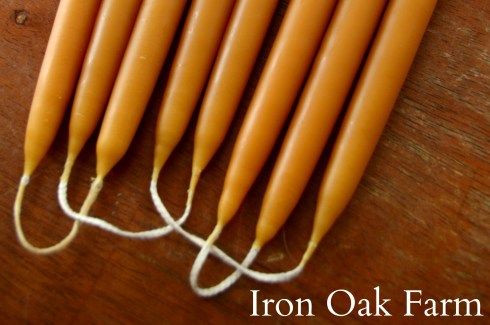
It’s candle season! Time to fill our homes with the scents of everything pumpkin spice, cinnamon stick, and caramel apple cider. But before you light those wicks it’s important to know what’s in your candle.
Candles used to be an essential part of everyday life. Especially in the long nights of winter, candles and oil lamps provided light beyond the sunset. Candle making used to be done primarily by women in preparation for the dark evenings. They would make a good supply of candles from tallow or beeswax to last the winter.
With the invention of the electric lamp, the need for candles changed from one of necessity to something more for decor and pleasure as they are used today. With the paraffin candle gaining popularity, companies could offer a low-priced candle that offered an old-fashioned feel.
What is paraffin wax?
Paraffin wax is a byproduct of petroleum refinery. Like all petroleum-based products, it starts as crude oil. After several other petroleum-based products have been extracted off, the wax is left as a byproduct of the refining process. The wax is then treated with benzene and or toluene (known carcinogens) to bleach the wax.
It is thought that the chemicals in the paraffin, along with benzene and toluene, have an adverse effect on health. Paraffin has a high smoke rate which emits particles into the air that can settle in the lungs.
Artificial fragrance and scents
While the debate about the dangers of paraffin wax and artificial fragrances continues, (The National Candle Association claims that tests have been performed for years ensuring the safety of burning paraffin candles) impartial parties claim that these fragrances can trigger allergies, asthma, lung irritations and even damage to the brain and central nervous system.
Why beeswax is best
Beeswax, when burned, has a very low smoke emission. It has a light honey scent that occurs naturally. The only process in creating a beeswax candle is in the melting and pouring steps. There are no chemicals used to refine 100% beeswax.
Not only do beeswax candles not contribute to air pollution, they have also been found to actually clean the air. Beeswax releases negative ions into the air when burned. These ions bind with pollutants and remove them from the air.
What about fragrance?
Thankfully, beeswax candles are often scented with natural fragrances like essential oils. These essential oils can also provide health benefits like air purification and aromatherapy.
What to look for when buying a beeswax candle
100% beeswax candles can be expensive, but you can rest assured that your money is going toward a quality product. Some of the expense comes from the fact that for every 5 pounds of honey, bees produce 1 pound of wax.
- Look for 100% beeswax. Sometimes you’ll find a blend of beeswax and soy or coconut oil. These ingredients are safer than petroleum but should bring down the cost substantially from a 100% beeswax candle.
- Buy unscented or scented only with 100% essential oils. Make sure it says 100%, some companies will add a mix of essential oils with artificial fragrances.
- Dye-free
- Natural wick material. Make sure the wick is metal-free and made from a natural ingredient like cotton.
Make your own beeswax candles!
Beeswax candles are easy to make. You can make them into personalized shapes and add your own essential oils to fragrance them. Check out my post DIY Dipped Beeswax Candles for more information.





1 Comment
We have been making beeswax candles long enough to understand your preferences. With a keen eye and the perfectionism of a master, we make beeswax taper candles like an artist makes a baroque painting. https://www.beehealthycandles.com/product/10-taper-white/