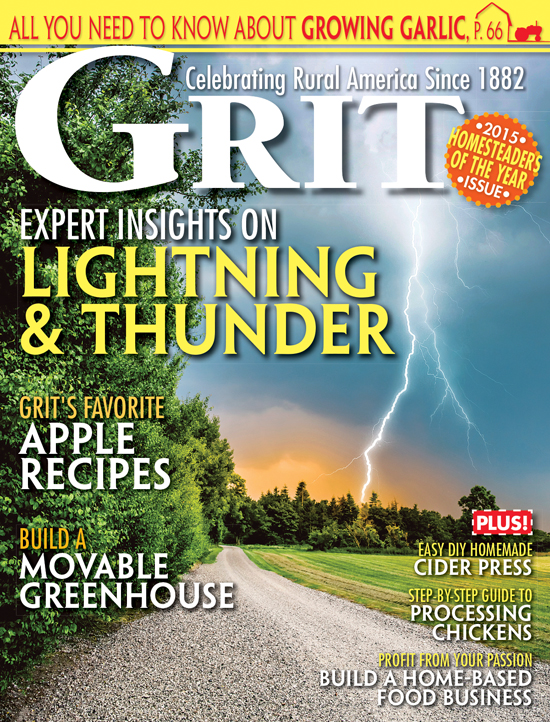
The international bee crisis is threatening our global food supply, but this user-friendly field guide shows what you can do to help protect our pollinators. The Xerces Society for Invertebrate Conservation offers browsable profiles of 100 common flowers, herbs, shrubs, and trees that support bees, butterflies, moths, and hummingbirds. The recommendations are simple: pick the right plants for pollinators, protect them from pesticides, and provide abundant blooms throughout the growing season by mixing perennials with herbs and annuals! 100 Plants to Feed the Bees (Storey Publishing) will empower homeowners, landscapers, apartment dwellers — anyone with a scrap of yard or a window box — to protect our pollinators.
The following excerpt on catnip comes from section 4. Introduced Herbs and Ornamentals.
Catnip (Nepeta spp.)
Several dozen perennial and annual species of catnip are native to Europe, Asia, and Africa. Some have escaped as naturalized weeds across the United States and Canada, while a few others are planted as garden ornamentals. Under optimal conditions most catnip species bloom for an extended period, sometimes several months. They are relatively resilient to alternating cycles of hot and cold weather as well as to dry conditions, but they grow more prolifically in fertile, damp soils. While deer avoid catnip, cats do not and can make quick work of plants that aren’t protected.
The average sugar concentration reported in the nectar of catnip species ranges from 22 to 28%, and the resulting honey is dark in color and slightly spicy. While each individual catnip flower produces only a tiny amount of nectar, plants can produce a reliable honey surplus when grown in large masses.

Recommended species or varieties
All types of catnip are generally good bee plants, including the common true catnip (Nepeta cataria). The ornamental hybrid Faassen’s catnip (N. × faassenii) is frequently planted as a ground cover or garden border plant; it grows and flowers prolifically, attracting huge numbers of honeybees and bumblebees.
Uses
- Ornamental
- Edible/herbal/medicinal
Notable flower visitors
Attracts honeybees and bumblebees most commonly.
Exposure
Sun
Soil moisture
Average to dry
Bloom time
Spring to summer
Flower color
White, blue
Maximum height
2 feet
For more bee-friendly plants for your pollinator garden, check out our posts on Fireweed and Lupine.
Excerpted from 100 Plants To Feed The Bees © by The Xerces Society. Used with permission from Storey Publishing.