
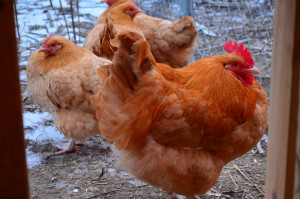
 Now that the hustle and bustle of the holidays are behind us, I like to start thinking about the spring to come. I’ve already separated our Buff Orpington chickens for breeding this spring. The seed catalogs are coming in and dreams of warmer weather and longer days are on my mind. Each night I sit with my pad of paper and make sketches of raised bed placement for the garden, or lists of vegetables and herbs I want to plant.
When it comes to bees, it’s never too early to start thinking about the coming year. This is especially true if you are beginning your first hive this coming spring.
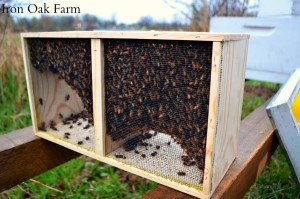 If you’re new to bee keeping, get in contact with the bee keeping supplier/suppliers you plan to work with. Ask when you should put your name in for a package of bees, the company we order from often sells out before March.
Now is a good time to do research and order the hive kits. It takes a while to put all the frames and boxes together. You want this done well in advance of the arrival of your new colony.
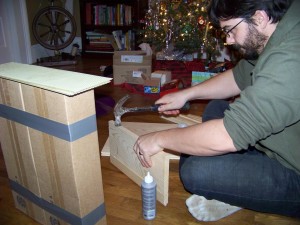 Zach likes to sit in the evenings and hammer together his hives. It makes for a good winter project.
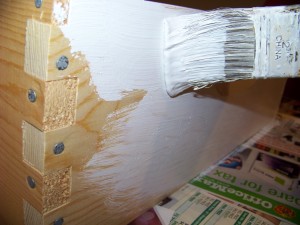 The hives should also be painted to protect the wood against the elements. Doing this in advance allows the fresh paint fumes to evaporate before housing your colony.
Now is also a good time to do research as to what type of hive you want to order. What’s best for your area?
Langstroth or Top Bar design? Black or white foundation comb? It all needs to be considered.
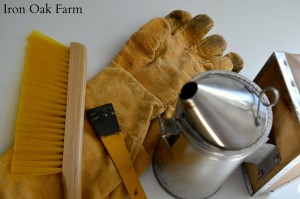 You can also order your veil, smoker and hive tools.
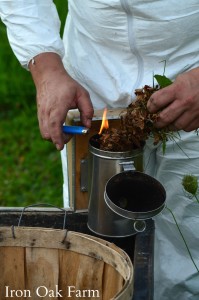 Fire up your smoker, experiment with different burning material.
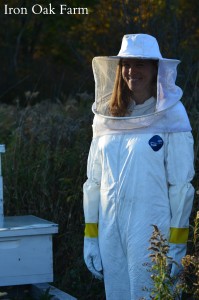 Practice wearing your mask and uniform. It doesn’t hurt to pretend and prepare yourself. You’ll be that much more confident when the real thing comes.
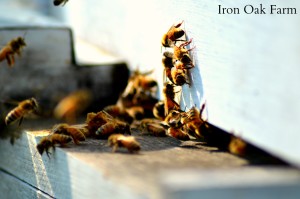 Decide the species of bees you’d like to raise and find a breeder that raises those.
Contact your local post office, find out how they handle the delivery of live bees.
Where are you going to put your hive? Is it a sheltered area from the elements, is there a water source nearby, can you set your hive up so it has a south facing entrance?
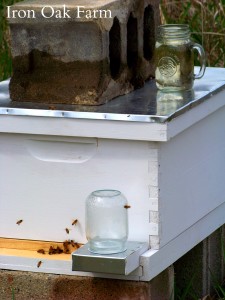 Have a feeder ready to feed your new hive while they setup shop and start to build comb and collect nectar. Food will be scarce in the spring.
A little preparation now can make your first bee keeping experience pleasant and smooth. These small acts can also help quench some of the impatient excitement that comes with the prospect of beginning bee keeping. Spring will be here before we know it!
Are you getting bees this year? Join the community by leaving a comment below or visiting the Keeping Backyard Bees Facebook Page!






3 Comments
I do enjoy reading your posts! It sounds like you are in the south – maybe NC or SC? If you do live here – I’d like to get your opinion on Italians vs. Carnolians.
yes i will be buying a package of bee s
i would like to buy a nuc this year here
in the pacific north west ( port angeles) wash.
any segestune where i could purchase
I will be getting my bees end of April. This is the 2nd time,last year after about 4 to 5 most my bees left the hive, don’t know what happened.