• Free Newsletter
  • Contribute
  • Advertise

Welcome to Community Chickens!
Sign Up for Your Free Newsletter!


  • Home
  • About
    • Free Newsletter
    • Contributors
    • Become A Contributor
    • Giveaways
    • Contact Us
    • Advertise with Us
  • Bees
    • Bees 101
    • Beginning with Bees
    • Breeds of Bees
    • Hive Hiearchy
      • Queens
      • Drones
      • Workers
    • Why Bees?
    • Buying Bees
    • Health & Disease
    • Swarming
    • Bees & Law
    • Pollinator News
  • Equipment & DIY
    • Plants for Pollinators
    • Hive Types
    • Hive Plans
    • Equipment
    • Predator Control
    • Video Tutorials
    • Product Reviews
  • Hive Products
    • Honey
    • Pollen
    • Wax
    • Health Benefits
    • Recipes
    • Storage & Usage
  • Podcast
  • Ask a Question
  • Shop

The Sustainability of Bee Products

By KBBEditor on October 31, 2014 Visit KBB's Website.

Share this:

  • Facebook
  • Twitter
  • Pinterest
  • Print

From Mother Earth Living MagazineThe History of Honey3
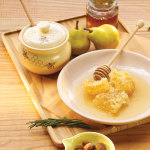
Photo by Thomas Gibson

Learn a bit more about the products bees create, and how they are harvested.

HONEY: Honey is the primary food for the hive and is a sustainable product if we focus on bee health and only take what is extra. Many conventional commercial practices are unsustainable as they often end in stressed, ill and dying colonies.

POLLEN: Pollen is the main protein source for bees. The worker bee packs individual grains together in a container on her leg. This is knocked off as the bee wiggles through a screen called a pollen trap. The bees are not harmed. Overharvesting can occur if the trap is always collecting and the bee is prevented from storing a wide variety of pollen types.

PROPOLIS: Propolis is the resin bees collect from trees. It is often called “bee glue” and is used to stick the hive together and to block the light from small openings. Farming for propolis creates constant stress as bees try to keep their environment safe and comfortable. They inevitably spend time collecting and building up propolis stores and sacrifice food collection. While home beekeepers can collect bits of propolis during maintenance (enough to supply a couple of households), there are few commercial ways to sustainably collect propolis.

ROYAL JELLY: This superfood for the baby bee is produced in large amounts only for the queen bee. In order to produce royal jelly for harvest, the hive must be stimulated to believe there is no queen, and special frames must be inserted so the bees believe they are feeding many new queens at a time. These frames do hold queen larvae—but after a few days the frames are collected and the royal jelly is harvested; the queen larvae destroyed; and the frames are returned to the hive to start again. There is no way to sustainably farm royal jelly.

Tags

  • pollen
  • propolis
  • royal jelly
  • thomas gibson

Related Posts

 
Health Benefits, Hive Products, Honey

15 Household Uses for Honey

 
Health Benefits, Hive Products, Recipes,

Elderberry Syrup

 
Health Benefits, Hive Products, Honey, Pollinator News

The History of Honey as Medicine

 
Bees 101, Health Benefits, Predator Control,

Top 7 Reasons for Cranky Bees

 
Health Benefits, Honey, Storage & Usage

Nutrition and Health Benefits of Honey

Leave a Comment

  Cancel Comment


      Connect with Us

    • Get Our Free Newsletter!

      Subscribe to Grit

    • For more than 130 years, Grit magazine has helped its readers live more prosperously and happily all the while emphasizing the importance of community and a rural lifestyle tradition.
    • Subscribe today!

      Popular

    • Pricing Your Honey
    • The Great Sunflower Project
    • Keeping Hardier Bees
    • 8 Proper Beehive Placement Tips
    • Extracting Honey Without an Extractor
    • Recent

    • DIY Providing Water for Bees
    • Garden Plan for Attracting Pollinators
    • Hive Inspections During Dearth + Video Tutorial
    • Establishing a Successful Bee Garden
    • Top 7 Reasons for Cranky Bees


Delivered by:

Mother Earth News Grit Community Chickens
Copyright © 2026, All Rights Reserved | Privacy Policy | Terms of Use | Ogden Publications, Inc., 1503 SW 42nd St., Topeka, Kansas 66609-1265
  • Home
  • About
    • Free Newsletter
    • Contributors
    • Become A Contributor
    • Giveaways
    • Contact Us
    • Advertise with Us
    • Back
  • Bees
    • Bees 101
    • Beginning with Bees
    • Breeds of Bees
    • Hive Hiearchy
      • Queens
      • Drones
      • Workers
      • Back
    • Why Bees?
    • Buying Bees
    • Health & Disease
    • Swarming
    • Bees & Law
    • Pollinator News
    • Back
  • Equipment & DIY
    • Plants for Pollinators
    • Hive Types
    • Hive Plans
    • Equipment
    • Predator Control
    • Video Tutorials
    • Product Reviews
    • Back
  • Hive Products
    • Honey
    • Pollen
    • Wax
    • Health Benefits
    • Recipes
    • Storage & Usage
    • Back
  • Podcast
  • Ask a Question
  • Shop