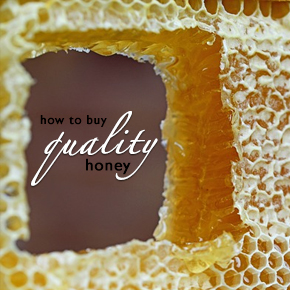
 There is a myth that raw honey is solid. In truth, honey comes out of the comb as a liquid. Depending on the types of nectar and pollen, raw honey crystallizes at different speeds. There’s no good way to know if honey is raw except to check the labels and ask your beekeeper. Here are some questions to guide your next healthful honey hunt.
1) Do you use chemicals in your hives? Make sure herbal or nonchemical methods are used.
2) Do you harvest with an electric knife? Heated knives can superheat honey, decreasing healthy enzymes.
3) Has the honey been filtered? Make sure only the largest particles are strained prior to bottling instead of applying pressure and heat.
4) Is the honey pasteurized? While pasteurizing makes honey clear for the store shelf, health and taste are lost.
5) When was your honey harvested? For those allergic to spring pollens, spring varietals can provide better allergy protection. Or grab one harvested at the end of the previous season for a full array of pollen protection.
6) How do you re-liquify your honey? Bucket heaters can overheat, so consider the speed at which honey is warmed for bottling.
7) How do you feed your bees? Many beekeepers feed bees high-fructose corn syrup or boiled sugar water. Find sustainable beekeepers who feed bees their own honey.
8) Where are you? Raw, local honey is best for allergies, but all raw honey is beneficial. There’s no mileage limit for sellers to claim a “local” product, so make sure bees are collecting from the same plants as where you live.
Dawn Combs is the owner of Mockingbird Meadows Herbal Health Farm in central Ohio and the director of its Eclectic Herbal Institute. Mockingbird Meadows is nationally known for its line of herbal honey spreads. Dawn is the author of Conceiving Healthy Babies: An Herbal Guide to Support Preconception, Pregnancy and Lactation.
Buy Raw Honey
We encourage you to find local honey sources, but these national suppliers offer sustainably produced honey and honey products.
Bee Raw
beeraw.com
Beehive Organics
beehiveorganics.com
Brushy Mountain Bee Farm
brushymountainbeefarm.com
The Carolina Bee Company
carolinabees.com
Draper’s Super Bee Apiaries
draperbee.com
GloryBee Foods
glorybee.com
Heavenly Organics
heavenlyorganics.com
Honey Dew Naturals
honeydewnaturals.com
Honey Gardens Plant Allies
honeygardens.com
MtnHoney
mtnhoney.com
Mockingbird Meadows
mockingbirdmeadows.com
National Honey Board
honey.com
North American Herb & Spice
northamericanherbandspice.com
Savannah Bee Company
savannahbee.com
Really Raw Honey
reallyrawhoney.com
Tropical Traditions
tropicaltraditions.com
Wedderspoon
wedderspoon.com
Wholesome Sweeteners
wholesomesweeteners.com
Worker B
worker-b.com
Y.S. Eco Bee Farms
ysorganic.com