• Free Newsletter
  • Contribute
  • Advertise

Welcome to Community Chickens!
Sign Up for Your Free Newsletter!


  • Home
  • About
    • Free Newsletter
    • Contributors
    • Become A Contributor
    • Giveaways
    • Contact Us
    • Advertise with Us
  • Bees
    • Bees 101
    • Beginning with Bees
    • Breeds of Bees
    • Hive Hiearchy
      • Queens
      • Drones
      • Workers
    • Why Bees?
    • Buying Bees
    • Health & Disease
    • Swarming
    • Bees & Law
    • Pollinator News
  • Equipment & DIY
    • Plants for Pollinators
    • Hive Types
    • Hive Plans
    • Equipment
    • Predator Control
    • Video Tutorials
    • Product Reviews
  • Hive Products
    • Honey
    • Pollen
    • Wax
    • Health Benefits
    • Recipes
    • Storage & Usage
  • Podcast
  • Ask a Question
  • Shop

WATCH: Maintaining New Bee Colonies

By KBBEditor on May 11, 2016 Visit KBB's Website.

Share this:

  • Facebook
  • Twitter
  • Pinterest
  • Print

guest post by Brushy Mountain Bee Farm

Brushy Mountain Bee Farm has been serving the beekeeping community since 1977. Throughout our years of helping beekeepers succeed, we realize that many beekeepers are unaware of what to look for when inspecting their hives.
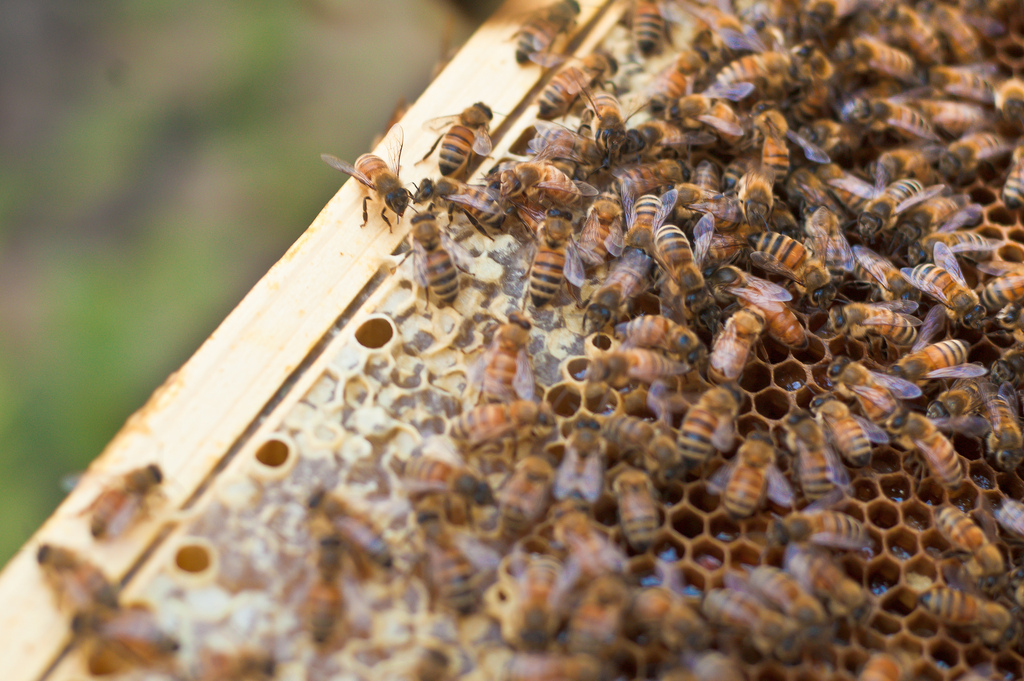
5041997785_81266e9d53_b

In this post, we take you through the process of your first hive inspection and point out what to look for. (photo by David Goehring)

Have an Objective

A common error many new beekeepers make is to overwork their hive. Every time you open the cover on the hive you are setting your bees back in production.  This is not to say that inspecting your hive is a bad practice but you should have a clear objective for working your hive.  Shane Gebauer, president of Brushy Mountain Bee Farm, is returning to an 8 Frame Hive in the video that recently had a Nucleus colony installed into it. As he is inspecting the frames he has two questions in mind:

Is the queen laying?

Finding the queen is a difficult and timely task that is unnecessary. Always check for signs of eggs when inspecting your colony and be aware that the first few frames may not contain eggs. Eggs indicate a Queen was present within the last 3 days. Eggs, larvae, and capped brood confirm a balanced expanding colony.

Do they need more space?

Once you find that your outer frames are being worked and comb is beginning to be drawn out on them, it is time to add on the next brood chamber. The rule of thumb is that if 6 to 7of your frames are drawn out, add the next super. Adding the next story will give your queen the space she needs to lay and can alleviate congestion in the hive.

In the following video, learn the dos and don’ts of inspecting newly installed bee colonies for health and productivity (or watch how to install your nuc)


Brushy Mountain Bee Farm is here to help you get started and grow as a beekeeper. Visit Brushy Mountain Bee Farm online for more resources or give us a call, 1-800BEESWAX (233-7929), with any questions or concerns.

Tags

  • brushy mountain
  • inspection
  • video
  • video tutorial

Related Posts

 
Equipment, Equipment & DIY, Honey,

The Best Methods for Uncapping Honey

 
Bees, Bees 101, Equipment, Equipment & DIY, Hive Plans, Hive Types,

What Is My Appalachian Rotatable Beehive?

 
Equipment, Equipment & DIY, Product Reviews

2016 BEEKEEPER GIFT GUIDE

 
Bees, Bees 101, Equipment,

With the Best of Intentions

 
Equipment, Recipes

Natural Remedies to Treat Bug Bites and Bee Stings

Leave a Comment

  Cancel Comment

3 Comments


  • Stephani Maruszewski says:
    July 15, 2016 at 9:29 pm

    Thank you so much because I am a new mother to my bees I was afraid that I was not doing just what I was supposed to you video was great, right to the point. I will continue to follow your directions again thank you. stephanie

    Reply
  • Aman says:
    March 23, 2017 at 2:59 pm

    Hlo

    Reply
  • Amanda says:
    January 21, 2021 at 8:36 pm

    I would prefer not to use chemicals to control mites and American foulbrood. I am a backyard beekeeper with only 2 hives. I started beekeeping 1 1/2 years ago and am hooked but find chemical use stressful for me and my bees.

    Reply


      • Connect with Us

      • Get Our Free Newsletter!

        Subscribe to Grit

      • For more than 130 years, Grit magazine has helped its readers live more prosperously and happily all the while emphasizing the importance of community and a rural lifestyle tradition.
      • Subscribe today!

        Popular

      • Pricing Your Honey
      • The Great Sunflower Project
      • Keeping Hardier Bees
      • 8 Proper Beehive Placement Tips
      • Extracting Honey Without an Extractor
      • Recent

      • DIY Providing Water for Bees
      • Garden Plan for Attracting Pollinators
      • Hive Inspections During Dearth + Video Tutorial
      • Establishing a Successful Bee Garden
      • Top 7 Reasons for Cranky Bees


    Delivered by:

    Mother Earth News Grit Community Chickens
    Copyright © 2026, All Rights Reserved | Privacy Policy | Terms of Use | Ogden Publications, Inc., 1503 SW 42nd St., Topeka, Kansas 66609-1265
    • Home
    • About
      • Free Newsletter
      • Contributors
      • Become A Contributor
      • Giveaways
      • Contact Us
      • Advertise with Us
      • Back
    • Bees
      • Bees 101
      • Beginning with Bees
      • Breeds of Bees
      • Hive Hiearchy
        • Queens
        • Drones
        • Workers
        • Back
      • Why Bees?
      • Buying Bees
      • Health & Disease
      • Swarming
      • Bees & Law
      • Pollinator News
      • Back
    • Equipment & DIY
      • Plants for Pollinators
      • Hive Types
      • Hive Plans
      • Equipment
      • Predator Control
      • Video Tutorials
      • Product Reviews
      • Back
    • Hive Products
      • Honey
      • Pollen
      • Wax
      • Health Benefits
      • Recipes
      • Storage & Usage
      • Back
    • Podcast
    • Ask a Question
    • Shop