
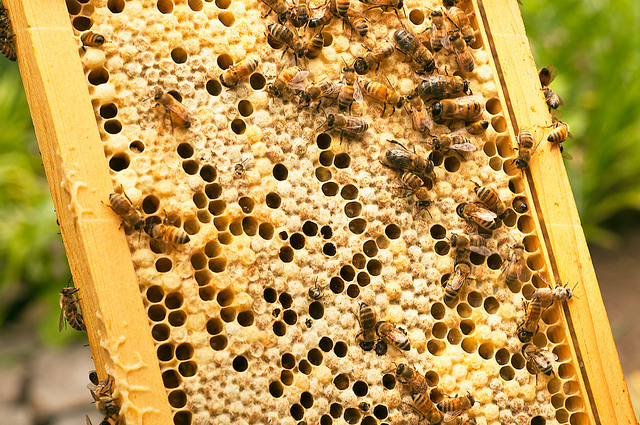
Photo Credit: Baby bees emerge from the cells on a frame of capped brood.
Are you thinking of getting into beekeeping or replacing a hive that failed over the winter? The bees you chose are vital to your success as a beekeeper. Here are nine tips when selecting honeybees that should be considered as you make your decision heading into spring. These tips can help you combat environmental challenges/stressors for the bees. They can also help you become a responsible beekeeper by adding better genetics to your local honeybee gene pool and even help you fight off varroa mites.
1. Local bees are best. See if you can locate an apiary that sells bees in your area. These bees are already acclimated to your climate.
2. Check to see if any fellow beekeepers are selling splits. These bees are local and also considered hardy to have survived the winter.
3. Look for diverse genetics. Consider getting bees that are not one particular breed. Sometimes bees with a diverse mix of genetics are hardier.
4. Consider hygienic bees. These bees have been bred to have the VSH (Varroa Sensitive Hygiene) trait. These bees can detect and remove varroa from the hive without the use of chemicals or intervention from you.
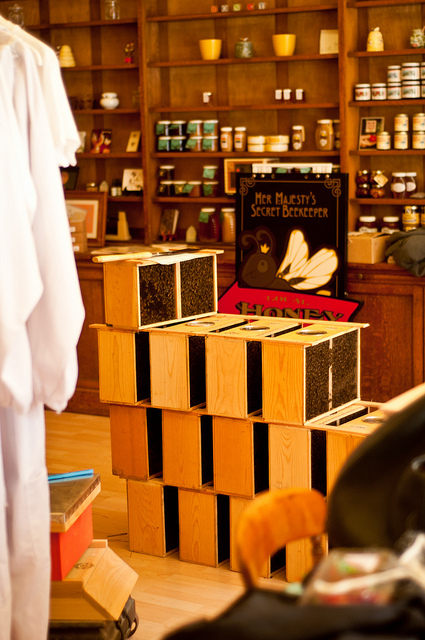
Photo Credit: Honeybee packages are ready for pickup.
5. Consider purchasing a nuc verses a package. A nuc is an overwintered already established hive with a laying queen. When purchasing packages the bees and the queen have just become acquainted when they were packaged at the apiary. This is why she comes in a cage to protect her from rejection and death.
6. Consider having more than one hive. This helps you to monitor and compare their activity. An extra hive that is strong can save a weak hive by borrowing brood, honey and so forth.
7. If requeening, consider your source, breed, whether she is hygienic, and if she has been mated.
8. Order early to get the best selection and choice.
9. Join a local beekeeping club. Their members will be some of your greatest mentors, friends, and companions on your beekeeping journey. They can also help you learn to keep bees in your local climate.
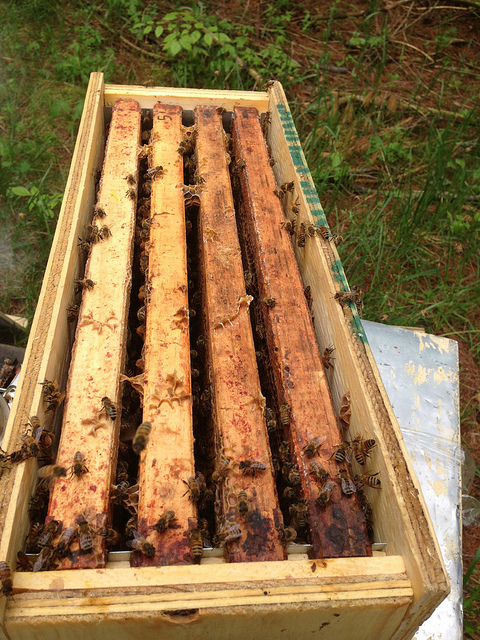
Photo Credit: This nuc is ready to be transferred into a deep. Already it’s a mini fully functioning hive in the nuc box.






3 Comments
I have swarms that move across my property every spring. How do I encourage one of them to hive here. I don’t think they’re African I can get them to climb on my hands and allow me to put them back outside no problem
I’m not pushing for a package of bees over a nuc, however, people should be made aware that with a package they will usually have a honeymoon period with their bees and avoid the issues of mites and disease simply because the colony is not established. When you buy a nuc you get all the issues that were a part of the parent hive. Whatever they were treating is now no longer being treated and it will soon appear in the new owners hive. For someone just starting out and learning the ropes, the “honeymoon” period can be important for the new beekeeper as they learn about the function of a hive. If they are faced with disease and mite issues immediately, its not likely those issues will be identified in time to keep from losing the hive.
I totally agree. We had always bought packages until this year and have had no troubles. This year, we bought nucs and are now dealing with SHB in apiaries that were free of it. We noticed the beetles a few days after the night we hived our nucs. There was at least 1-5 beetles in each nuc box we had picked up, which, in turn, contaminated the yards where we had placed them. Try bringing your own boxes and make the switch at the supplier if possible, but the risk is still going to be there.