

Top Bar hives are so cool. One of my very first colonies was a booming top bar hive that became our first “honey cow” for the backyard. I love watching the bees work the comb down the length of the hive. If you build one, make an observation window so you can check them out as they work.
One thing that I’ve seen some new beekeepers do is allow their bees to draw crooked comb. Obviously not intentionally – but in any kind of hive configuration, straight comb = more straight comb, and crooked comb always = more crooked comb. If you don’t nip it in the bud, the crooked comb will become so crazy by the time they work down a few frames that sometimes it’s impossible to get the bar off the hive. I’ve had students that didn’t catch this early enough and once the bees do their thing and glue it up with propolis and wax, they could NOT open up the top bar hive EVER. Don’t let that happen to you. Make sure you keep a watchful eye on their progress as they build the comb down the bars.

One way to assist your bees with drawing straight comb is to give them a guide. I’ve seen some top bar hives that use a wedge style top bar which is quite handy. But if you are building one yourself and you want to have an easy way to make a comb guide without having to make complicated cuts with your saw here is a tip for you.
Make all of your top bars out of 3/4” lumber. I made my brood nest bars 1 1/4” wide and my honey top bars 1 1/2” wide. Then take your top bars and rip them down your table saw blade creating a groove about 1/4” deep. Make sure you are dead center in your top bar. If you are off just a little bit, the bees will make you pay dearly for your mistake so take the time to get that rip into the center. It’s well worth the extra couple minutes to get your saw set right. You must respect the bee space.
Then just take some rips that are slightly less than 1/8” thick and about 1/2” – 3/4” wide and use them for your guides. All you have to do is glue them into the groove you ripped into your top bars. Make sure your guides are shorter than your top bars so they will fit into your hive. You want your top bars to rest on the top of the hive – NOT the comb guides. I cut my guides short enough so they are approximately 1/2” away from the side of the hive body. Don’t worry if you are not perfect atthat distance. You can even be a little off and still be fine.
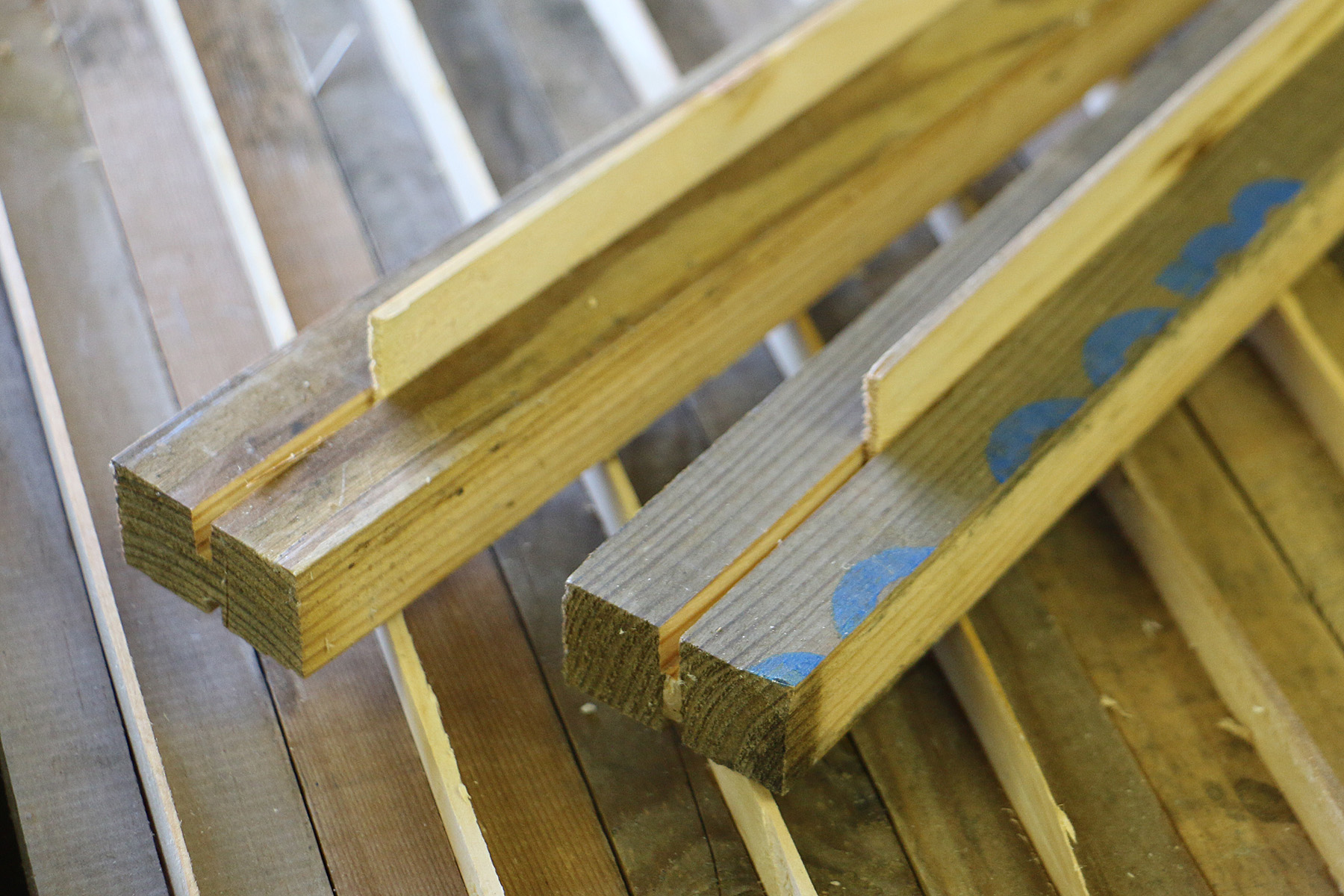
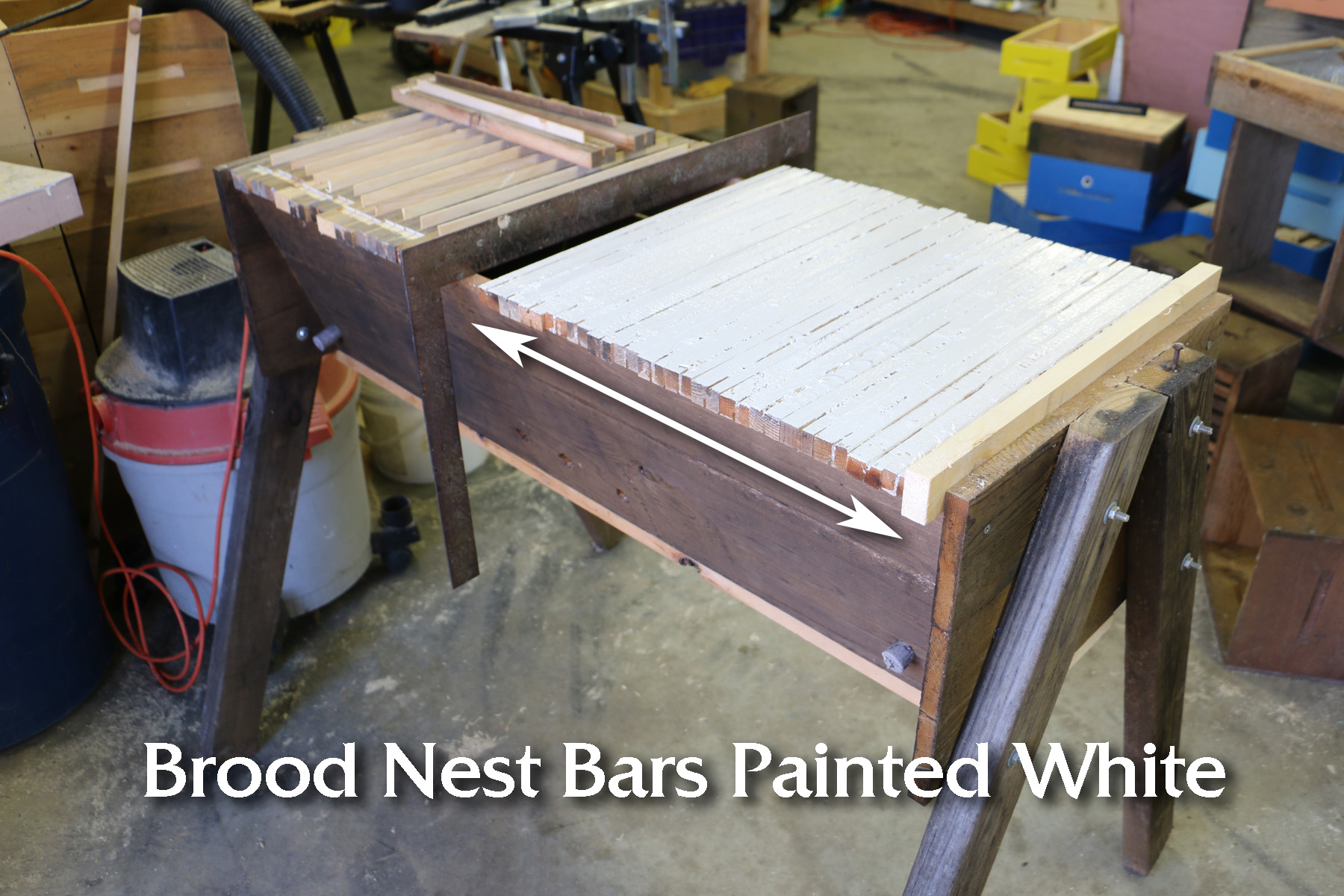
Another DIY tip is to mark the outside of your top bars for your brood nest. I decided to paint just the outside of my brood nest bars so I could readily distinguish them from my honey bars and not have to worry about getting them mixed up. As long as you have an easy way to tell them apart from one another you’ll do fine.






8 Comments
does the top bar leak when it rains
Leaks? Top Bar hives have a cover or roof that protects everything inside from rain.
Small Hive Beetles hide in the narrow groove near the edges.
So, I would also recommend stopping the groove for the strip an inch or so from the sides OR filling the groove with wax or glue.
Can I make extra income farming bee hives and honey?
Thanks
Mike
How to incorporate a screen bottom on a top bar hives.
To whom it may concern,
I am a top bar bee keeper, and build my own top bar hives (including the Warre design). I would like to know your opinion on putting screens around my hives, and the potential impact this would have on the bees.
(Screens, in this context, are boxing-in the hives with less than a meter of space in front of the hive entrance and the screen)
I am seeking varied opinions from as wide a bee-community as possible to support my plight around the matter of screens. I purposefully am not saying my preference as I am keen to get your honest opinion on this, and do not want you to feel like I am swaying your view.
If you would be so kind to answer the brief questions below and please feel free to add any further information you feel relevant.
1: do you feel screens benefit bees’ in any way?
y/n
2: do you feel screens would hinder the bees’ access to their hives?
y/n
Thank you very much for taking the time to answer these questions.
Esher Evans and Brett Parker.
I have a top bar hive – the 1st 15 or so combs were all nice and straight, but the next ones are all wavy, turned and often connected. Could it be caused by giving them too many extra bars and they had too much room?
Any suggestions on an easy way to clean old beeswax and propolis from the bars and the inside of the top bar hive? Our bees swarmed last season so I am trying to clean it up a bit for the next colony. Is there anything that will melt the propolis off without destroying the hive itself? Thanks.