
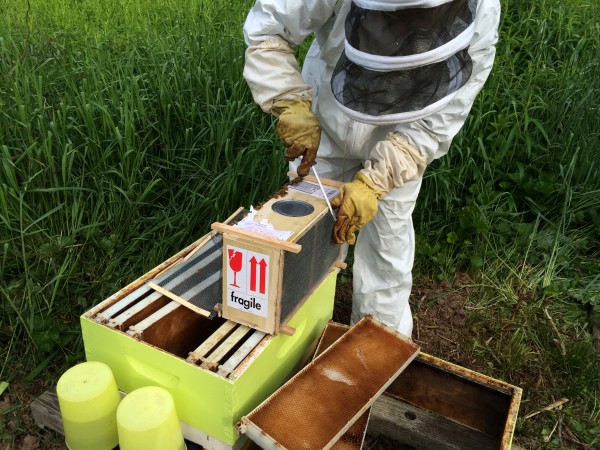
Have you often thought about keeping bees but were discouraged by the high set-up costs? Frugal beekeeping is possible if you cut some corners.
The price tag can cause sticker shock to anyone who looks into buying equipment and bees, keeping many potential beekeepers from jumping into this highly rewarding hobby/small business. Most people are very surprised at the costs-some obvious like equipment- but others like sugar and bees which aren’t so obvious.There are three categories that you will be spending money on:
-
Housing and care of bees-includes hive bodies, frames, inner and outer covers, supers; all these can last for years with regular care, like keeping your equipment painted. Cost for hive equipment averages around $200 for each hive
-
Cost of bees- a nuc or a package; these vary by region and the cost of a nuc (a beehive in miniature but easier for beginners) is more expensive than a package
-
Maintenance and Operation equipment-smoker, bee suit, sugar, frame lifters, bee brush, entrance reducers, smoker fuel, varroa treatments, pollen supplements……the list goes on
Ways to Save
State Grants- Check with your local state to see if they are giving out grants to start up hives. For example in Virginia in the past few years, residents at least 18 years of age, who either purchase a new hive or purchase materials or supplies to construct a new hive may apply for a grant from a Beehive Grant Fund. Each grant tops out at $200 per hive, not to exceed $2,400 per individual per year. Here in Maryland, there is no such program, but you might luck out.
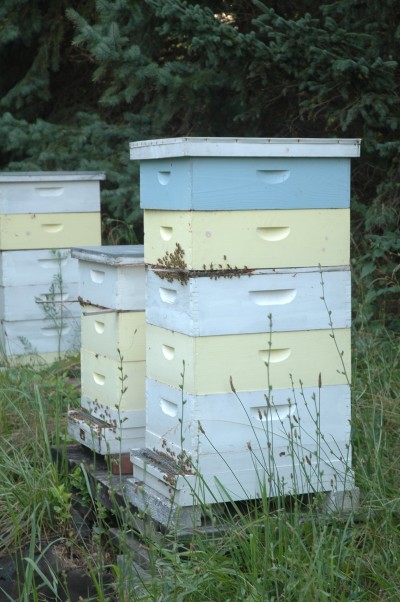
Woodenware is a big investment
Buy a Beginning Start-up Package- Checking Betterbee’s catalog, a basic start-up for one assembled hive is $365 which includes the woodenware (hive bodies), smoker, frames, feeder, hive tool, gloves, helmet and veil -everything you need to get started. Notice that a suit is not included. I save on this added expense by purchasing a zip up full coverage painting suit from Home Depot. It works fine.The start up package is cheaper than if you bought everything separately.
Do not try to save on equipment by buying used hives. These can harbor diseases and have traces of chemicals used by a previous beekeeper. Buy fresh hives and you will save a little by putting them together yourself instead of buying ready made already assembled. Another place to save significantly is in the style of hive being chosen. A top bar hive which is much simpler in design than a langstroth (with files like a file drawer) can be considerably less expensive. It also requires a different way of managing and keeping bees alive through a long cold winter.
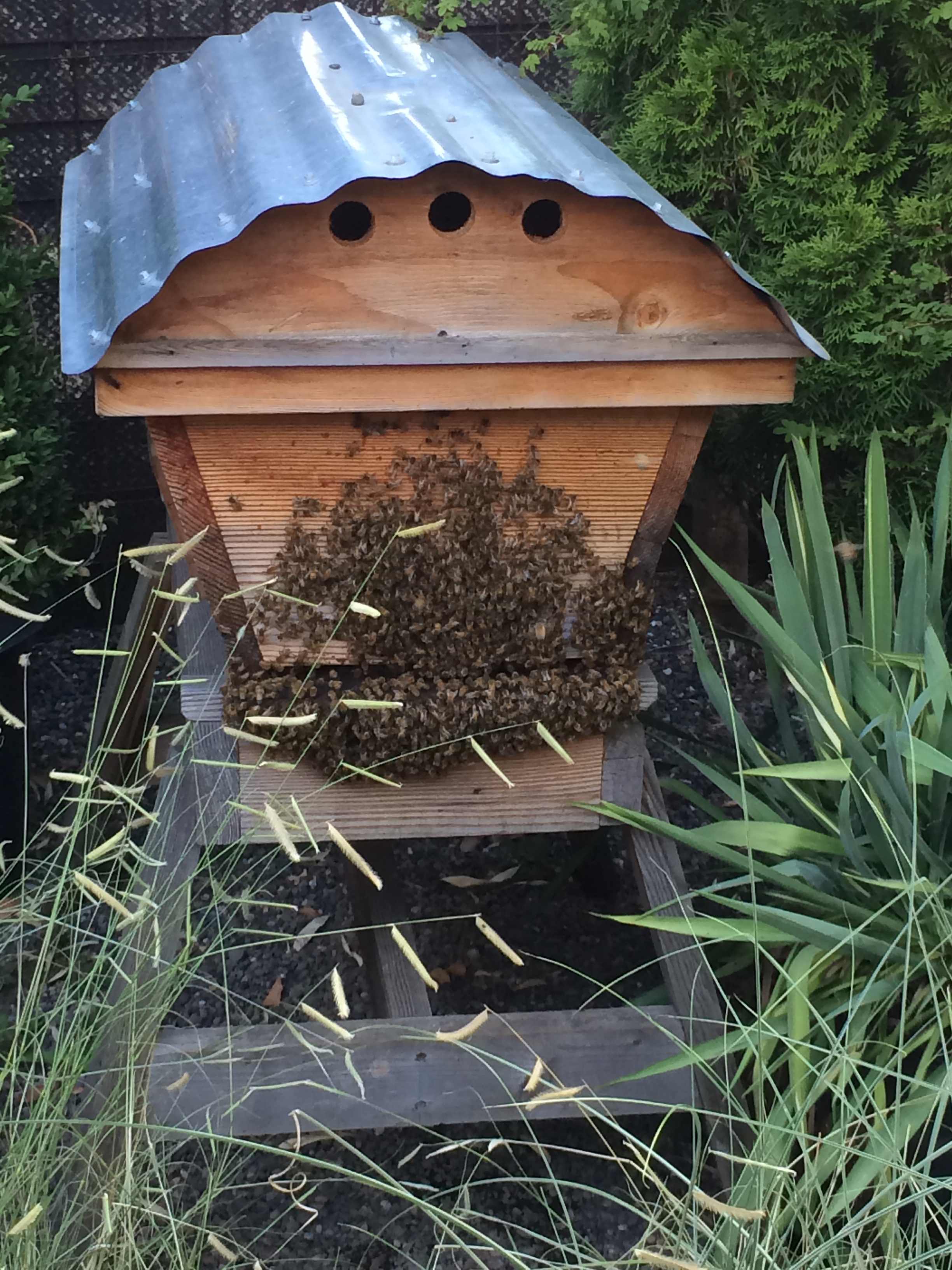
Top bar hive is more economical
Another cost savings is forgoing buying a ready-to-go hive stand and setting your hives up on concrete block or recycled pallets.
Bees
There are three ways to obtain bees- a package, a nuc, or catching a swarm.
Swarm- A swarm is obviously the cheapest way but one of the hardest. If you are listed on a beekeeper’s club swarm collection list-this is the easiest way to get a swarm. So, sign up at the local beekeeper’s organization, where you can get other tips from experienced beekeepers. I have caught many swarms, but mostly from my own bees on my property.
Package-A package is generally two to three pounds of bees, with a separately caged queen which must be moved into a waiting hive. A package from Betterbee goes for $124 this spring. This is the least expensive way, but don’t expect to get honey in the first year.
Nuc- A nuc is a small working beehive in miniature, busy drawing comb and tending to eggs and larva, and a proven queen working to expand the colony- all in a small hive-like box. At Betterbee, a spring 5-frame nuc runs $175 and an over-wintered one, which would be more established, $236. A spring nuc is the way I like to start, as you are more likely to get honey the first year and the over-wintered nucs are just too expensive.
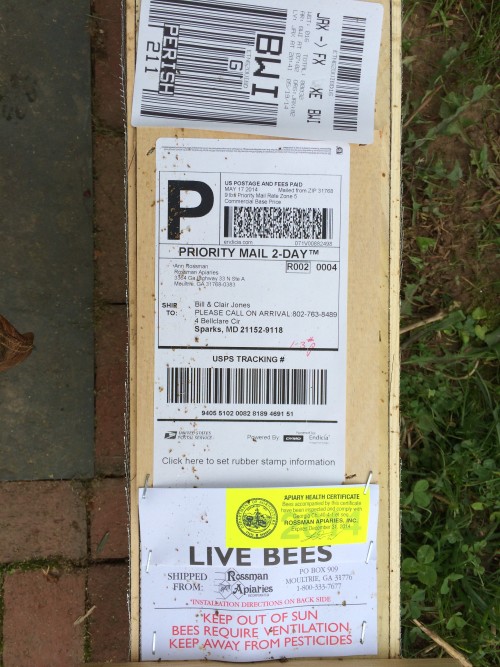
A package of bees can be mailed to you
Feeding
Knowing the expense of purchasing bees, then you are really going to try like heck to keep them alive through fall and winter by feeding them. And that means buying a lot of sugar- like 50 pounds or more per hive per year. Go to my post on Feeding Bees to find out the best way to feed bees.
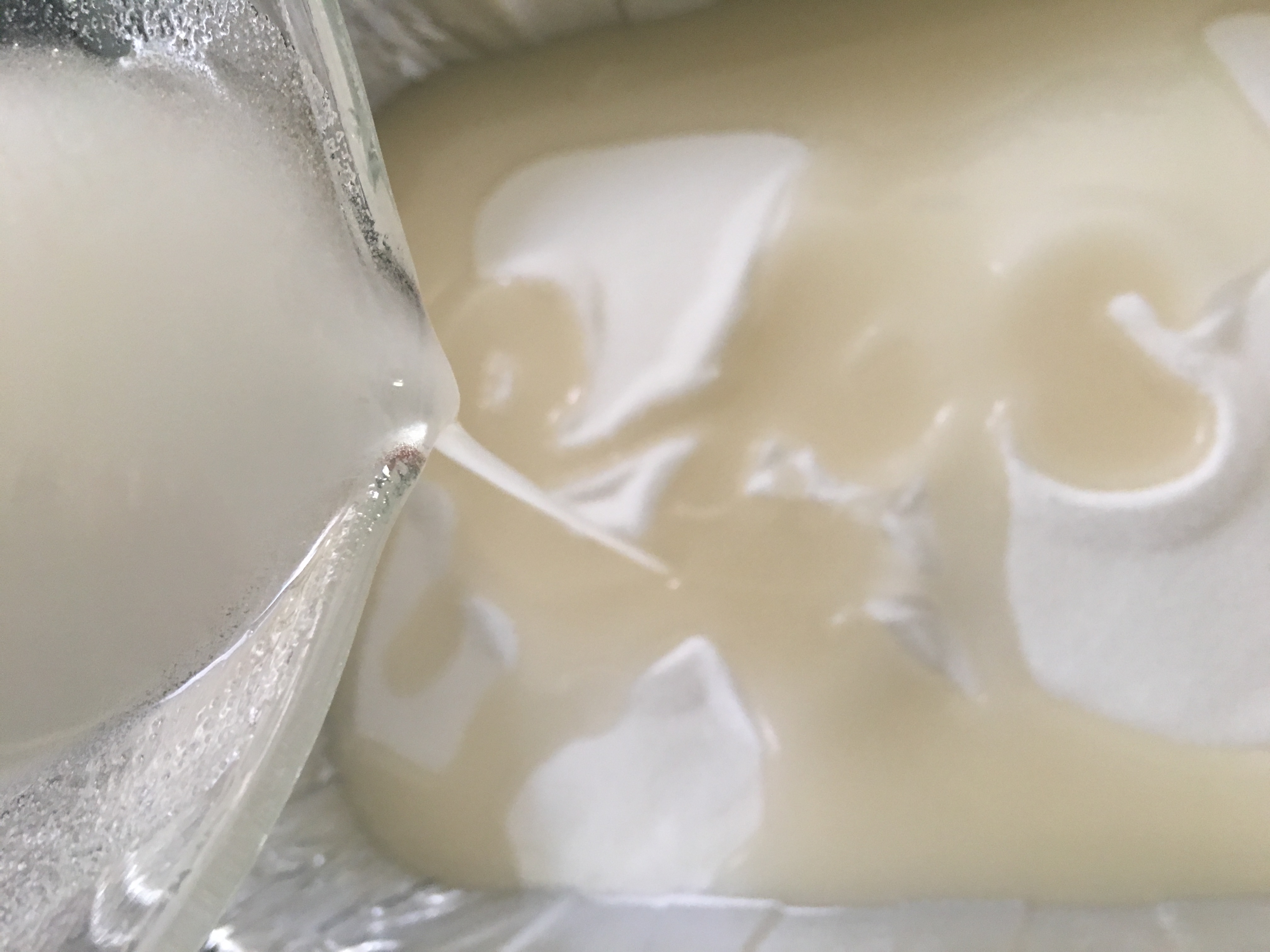
Mixing up sugar fondant for winter feeding
I am always planting flowering shrubs and perennials that bloom on the shoulder seasons, late fall into winter and early spring, so they have something to feed from. But from mid-December on for about 7 weeks, I have little to nothing in the garden, so figure in the expense of buying plants or even better seeds, to improve the bee’s habitat.
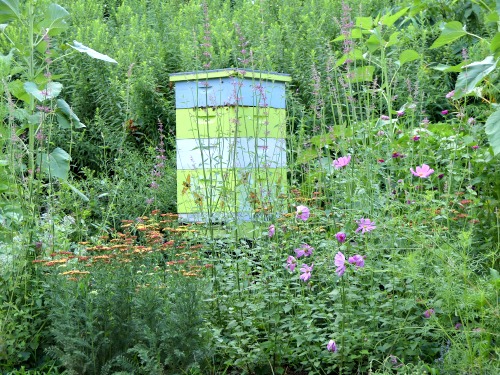
I created a meadow garden around my beehives using mostly seed instead of plants
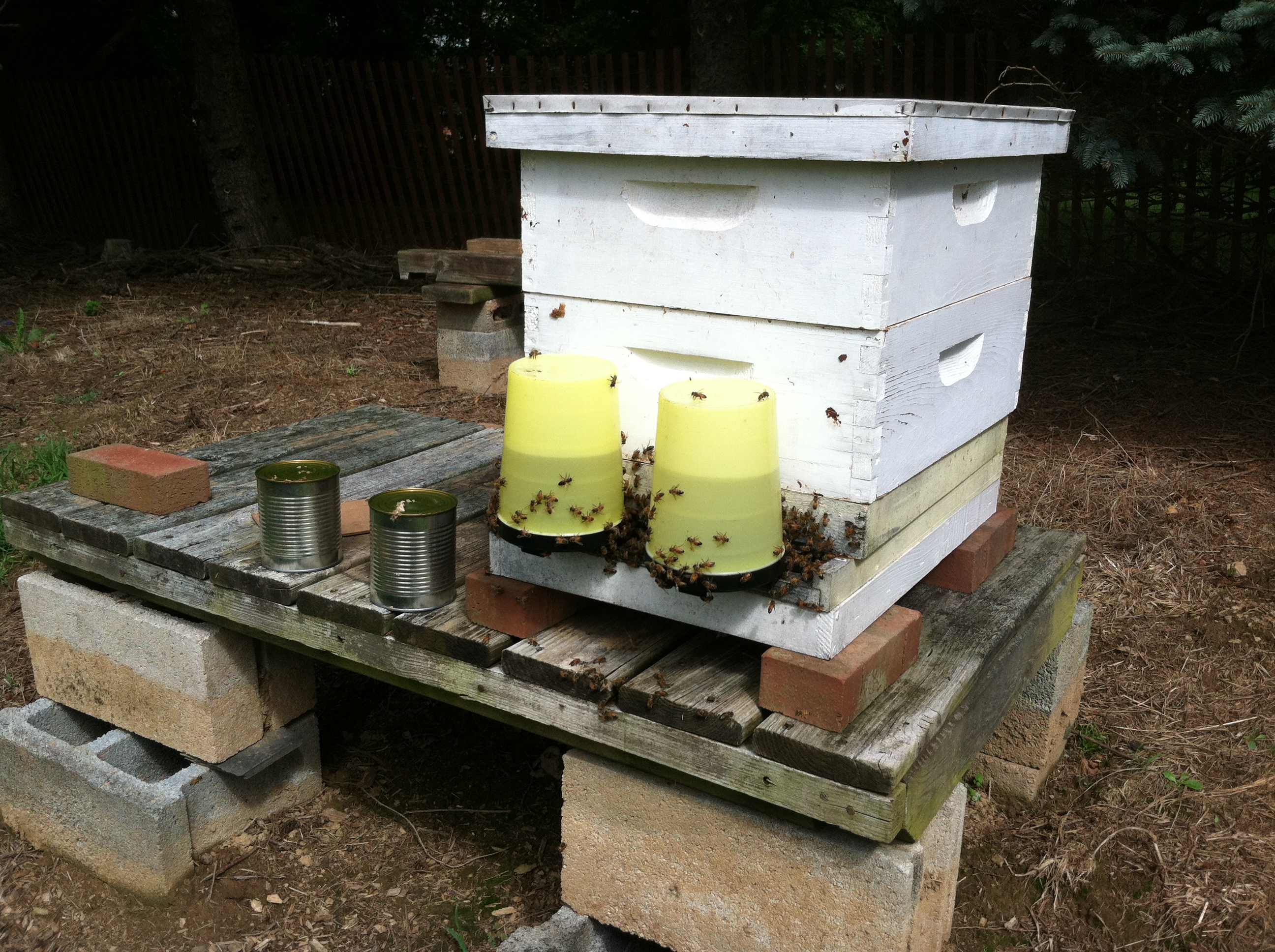
Feeding bees sugar water in the spring; Notice I set my hives on pallets and blocks
Extraction
The big elephant in the room is extraction equipment. These can run big bucks. Extractors run anywhere from $500 to $1000 for hobbyists – more for commercial operations. Not to mention heated knives for uncapping, uncapping tanks, food grade buckets with gate valves, and strainers.
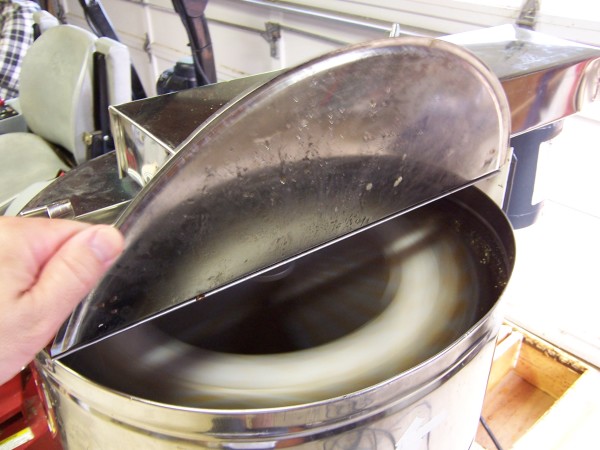
Rent instead of buy your extractor
An economical way to extract is to rent an extractor and knife ($10 from my bee club), use a food quality plastic container for the uncapping tank, and a paint strainer from Home Depot.
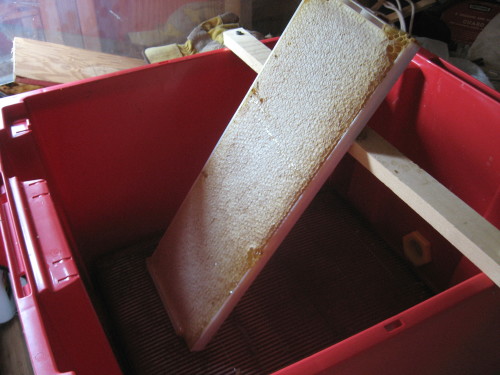
A perfect frame of capped honey sitting in an uncapping tank
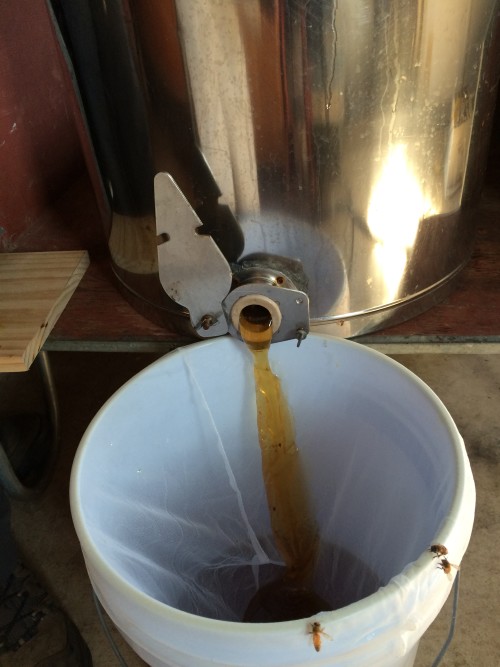
Use a mesh paint strainer for your collection bucket
Rewards
The ultimate goal for beekeepers is honey and wax. Be prepared to buy bottles, bears, labels, and honeycomb forms(chunk comb) to bottle and package everything. I do prefer glass over plastic and you can save quite a bit by sticking with plastic bottles. I sell to friends only, after checking out my local farmer’s market. A food license would cost me over $100 before renting a space at the market. As a hobbyist, it just isn’t worth selling it commercially. Any profits that I realize from selling my honey or wax is plowed right back into buying bees or new equipment, because I love my bees!
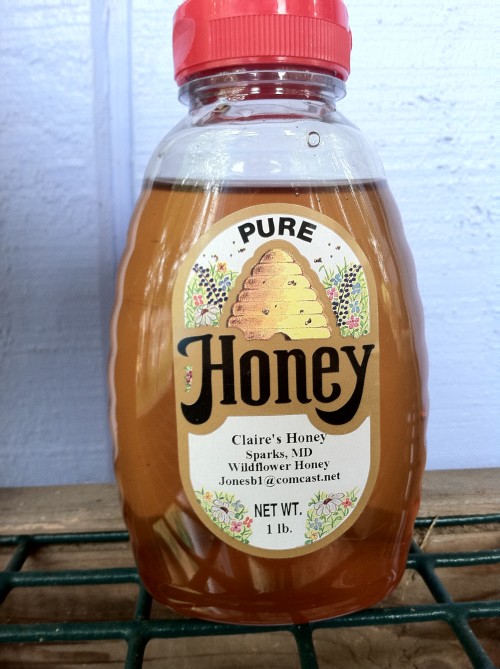
Bottles and labels are an expense






4 Comments
Thank You so much for the information. My friends and I are seriously looking at getting into beekeeping as a hobby and this info was very helpful.
Sir.
Nice material provide by ur newsletter, thanks.
I hv 3 hives -serina indica. Work at sahyadri west. That region Maharashtra.India. coming year hv target of 50 hive. Is it possible to collect Royal jelly & BeeVenum from serina indica.our area melifera is not survived..please guide me.
Thanks..Regards..
Girish.
Nice article! What is a honeycomb “form” that would need to be purchased in order to harvest/sell honey on the comb?
Hi Rhonda, Here’s an answer to your question from our bee expert consultant Becky Tipton:
“Re foundation choices: Foundation for making cut comb, cassette, or chunk honey (all which include honey in the comb) is called “thin surplus foundation.” It is a very thin sheet of pure beeswax with he hexagon cell shape imprinted on it. It is, of course, edible because the comb honey will likely be completely consumed. You can choose to use a starter strip of the thin pure beeswax foundation and let the bees make the necessary foundation themselves. This method starts with about a 1” strip of foundation secured to the top bar of the frame. The positive is the cost saving of the full sheets of foundation. One or two sheets will provide enough starter strips for an entire super of comb honey. The down side is that the bees don’t always draw the comb in nice straight sheets. You can end up with some pretty crazy comb. I’ve even heard of people using thin wooden strips to be their foundation “starters.” Comb honey commands a premium price but it can be quite challenging to get really beautiful comb honey. If your hive isn’t very strong and you also have a good strong nectar flow, producing comb honey will be even more difficult. “